
HEALTH JOURNAL
Facial Gua Sha: Benefits, Limits and Skin Precautions
Ben Wong · · Updated
Facial gua sha uses a smooth-edged tool to make gentle strokes over lubricated skin. The visit can be organized around a comfortable facial massage experience and a clearly defined appearance goal. Tell the practitioner what you want to discuss, your skin history and any recent procedures before choosing the technique.
On this page
- Facial work and body gua sha use different pressure
- When skin needs extra care
- Set a realistic goal
- When the main concern is swelling
- Booking the right gua sha visit
- What happens during facial gua sha
- What recent facial research measured
- Understand the difference between a study measure and a beauty claim
- Facial and body techniques need different expectations
- Review skin products and recent treatments
- Keep facial massage within a simple skin-care routine
- Tools and hygiene
- Review photographs consistently
- Discuss home use before copying a routine
- Choose a session around a specific priority
- Appointments and practical arrangements
- Sources and further reading
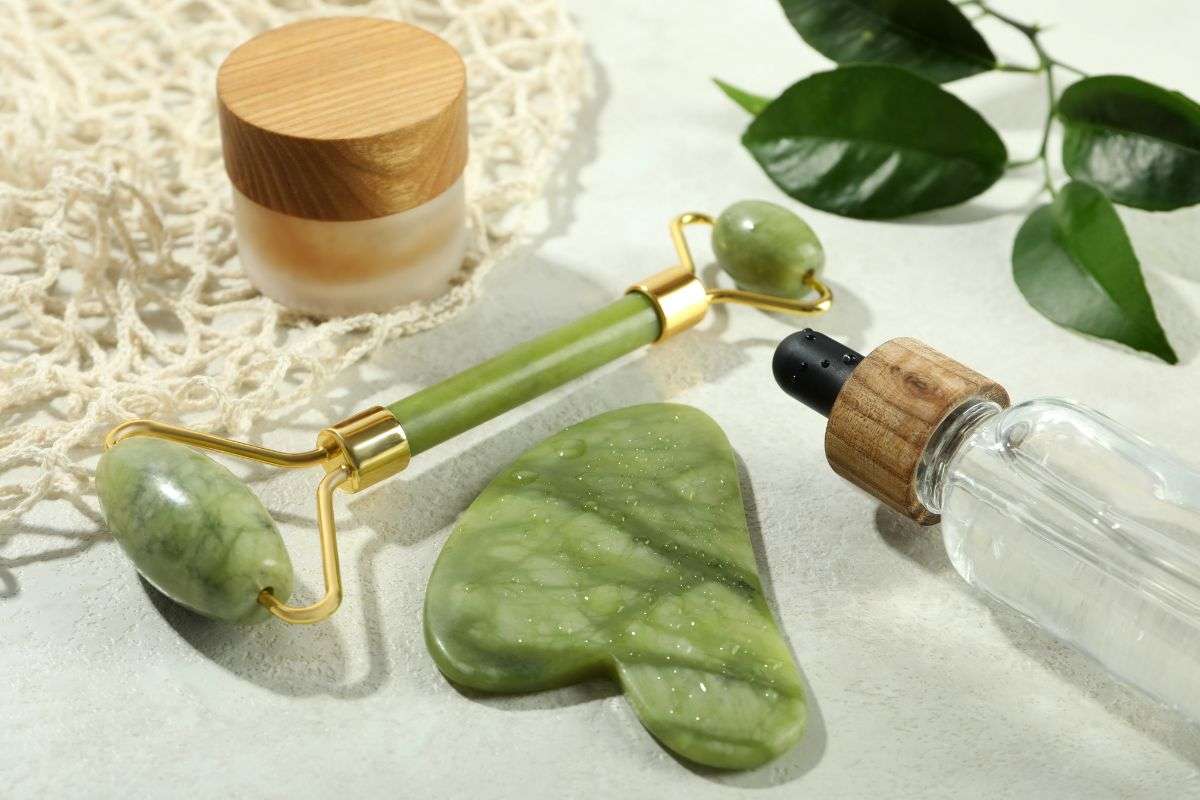
Facial work and body gua sha use different pressure
Traditional body gua sha may produce visible marks. Facial work generally uses lighter pressure, and bruising is not a cosmetic goal. Clean equipment, suitable skin products and pressure adjusted to skin tolerance are part of a comfortable facial session.
When skin needs extra care
Active acne, infection, broken skin, rosacea flares, recent cosmetic procedures or easy bruising can affect suitability. Tell the practitioner about blood-thinning medicine and the products you use. Fragile or inflamed skin should not be repeatedly scraped.
Set a realistic goal
A comfortable facial massage experience, an appearance goal and care for a skin condition are different aims. Acne, persistent redness, scarring or a changing lesion may need a skin clinician; a facial massage should fit around that care. Our skin-care service page explains a separate service pathway.
When the main concern is swelling
Explain whether puffiness is familiar and short-lived or new, persistent or one-sided. A cosmetic request and an unexplained swelling need different assessments. Do not apply repeated pressure to a new problem simply because a tool is marketed for depuffing.
If swelling comes with significant pain, redness, a new eye symptom or another concerning change, seek appropriate medical advice. A facial massage should follow an understanding of what is being treated. Once the concern is assessed, the practitioner can discuss whether any gentle facial work fits the plan.
Booking the right gua sha visit
Our gua sha service is available in Manhattan, Forest Hills and Great Neck. Specify whether your enquiry is about facial work or a body area, and confirm the technique, products and appointment timing with the office.
What happens during facial gua sha
A practitioner applies a suitable lubricant so the smooth edge can glide rather than drag over the skin. Slow strokes produce light pressure and a gentle pulling sensation in the skin. The area and pressure are agreed after checking your skin and recent treatments; facial work should not copy a forceful body-scraping routine.
Explain whether your skin is comfortable with touch and whether particular products tend to cause irritation. If an area is tender or you do not want it treated, say so. You can agree on the plan before the product is applied and ask for a pause at any point.
Use the session to communicate what you actually feel. A treatment does not have to hurt to be taken seriously. If the tool catches, pressure feels sharp or a product stings, tell the practitioner immediately so the area can be reassessed.
What recent facial research measured
A 2025 randomized study recruited 34 women aged 20–50 in South Korea; 33 completed eight weeks of facial gua sha or rolling. Both groups had changes in selected facial surface distances, with no statistically significant difference between the tools for those distances. Gua sha also reduced measured masseter resting tension and resistance to deformation. These describe mechanical properties of a chewing muscle, not fat loss or collagen production.
Participants trained in a ten-minute routine used it five times weekly. The comparison was between two active tools, with measurements at eight weeks. It therefore addresses that routine and comparison, rather than a single visit, lasting facelift, skin-disease treatment or a predictable millimeter change for you. A research schedule is not an individual home-care prescription.
For an appearance goal, compare the same outcome under similar conditions. A measurement, a feeling of relaxation and a change in photographs describe different things. Keeping that distinction clear makes it easier to judge whether the experience matches your original aim.
Understand the difference between a study measure and a beauty claim
A surface distance follows a selected path between landmarks. It is not the same measurement as the amount of collagen in the skin, the volume of facial fat or the duration of an appearance change. When a claim mentions one of these outcomes, identify which was actually measured.
A result measured after several weeks describes that follow-up period. Longer persistence is a different outcome. Compare the study’s actual measurement and time point with the appearance goal you have in mind.
At consultation, separate three possible priorities: enjoying the massage experience, evaluating an appearance change or seeking care for a skin condition. This distinction helps the practitioner discuss an appropriate option without making one outcome stand in for all three.
Facial and body techniques need different expectations
Body gua sha may be associated with visible marks. Those marks should not become a target for facial care. Before treatment, confirm whether the appointment is for the face or a body area, because the technique, pressure and preparation may differ.
Facial work should stay within the skin's tolerance. More pressure or stronger redness is not a cosmetic target, and a demonstration on another person does not describe the right technique for your skin, medicines or recent treatment history.
If your main concern is neck or shoulder pain rather than facial appearance, describe that separately. An acupuncture assessment, medical massage consultation or another evaluation may be relevant. A facial appointment should not be assumed to provide assessment of every pain problem nearby.
Review skin products and recent treatments
Bring a short list of products you use, especially those prescribed for a skin condition. Include recent peels, injections, laser treatment, microneedling or surgery.
Tell the practitioner about eczema, rosacea, active acne or a history of easy bruising. A flare or broken skin may change whether an area should be treated. If you are unsure what a new rash or lesion is, arrange assessment before scraping over it.
Do not stop a prescribed skin treatment simply to prepare for gua sha. Share the treatment details so that the practitioner can adapt the proposed technique and timing around the skin care you already need. Changes to prescribed treatment remain coordinated with its prescriber.
Keep facial massage within a simple skin-care routine
Gentle cleansing, moisturizing and sun protection remain basic skin-care steps. The American Academy of Dermatology's skin-care guide explains these foundations. Facial gua sha is an optional addition to discuss; it does not replace the routine recommended for your skin.
More products do not necessarily create a better facial session. Keep track of the lubricant and other products applied so you can identify what was used if your skin reacts. If several new products are introduced at the same time, it can be harder to explain which exposure preceded irritation.
A clinician treating a skin condition may give specific instructions about cleansing, moisturizing or medicines. Bring those instructions to the gua sha consultation. The facial practitioner can then discuss the proposed session around the care already in place, rather than asking you to abandon a treatment routine without review.
Tools and hygiene
Tools need cleaning and handling suited to their material and use, including appropriate care between people. Edges should be intact and smooth; a damaged or rough tool should not be used on the face. A stone's color, price or decorative appearance does not replace these basic hygiene and equipment requirements.
Tell the practitioner about known reactions to tool materials or skin products. The selected product should suit your skin and current care. At home, follow material-specific cleaning and care instructions; different tools may have different requirements.
Keep personal tools separate rather than treating shared household use as equivalent to a cleaned clinical tool. These practical steps concern the condition of the equipment, without needing to attach a medical benefit to its color or mineral name.
Review photographs consistently
If appearance is a goal, compare photographs taken under similar conditions. Lighting, camera angle, expression and distance can change how a face looks. Avoid interpreting two very different photographs as a precise measure of the technique's effect.
Decide in advance what you want to look at and when to review it. An immediate post-session picture and a later picture answer different questions. Note other skin treatments or product changes during the same period so the discussion has context.
You do not need to examine your face repeatedly throughout the day. A simple agreed review is more useful than continually searching for tiny differences.
Discuss home use before copying a routine
Request an individualized demonstration rather than copying a forceful online routine. The practitioner can explain which areas to avoid and how to recognize a reason to stop.
A research schedule or another person's routine is not an individual prescription. Skin response, products and technique may differ. Repeat use should follow how the skin tolerates the previous session; discomfort or irritation is a reason to stop the technique and let the skin recover, with medical advice when needed.
Persistent redness, worsening pain or another unexpected skin change deserves attention. Stop applying pressure to an irritated area and seek appropriate advice. If you need a skin diagnosis, a facial massage provider should help you identify that next step rather than continuing to work over the problem.
Choose a session around a specific priority
Before booking, distinguish facial gua sha from a body treatment and from other cosmetic procedures. Discuss any event or recent procedure that affects your timing so expectations can be agreed in advance.
At follow-up, consider comfort during the session, the skin response afterward and whether the experience met your goal. If you liked the relaxation but did not notice an appearance change, describe both observations. The next decision can reflect what matters to you without promising a fixed cosmetic result.
Appointments and practical arrangements
Should I scrape until the skin turns red?
No. More redness or bruising does not establish better results, particularly on the face.
How often should I have it?
There is no universal schedule. Skin condition, the technique used and your response should guide any repeat session.
Sources and further reading
OUR LOCATIONS
Choose a clinic.
Choose a convenient location to discuss your needs or arrange a visit.