
HEALTH JOURNAL
Considering Herbal Care in New York? Start With an Individual Consultation
Ben Wong · · Updated
If you are looking for herbal care in New York for concerns involving sleep, digestion or energy, an individual consultation can bring those concerns together with your history, current medicines and daily routine. At Wongs Acupuncture & Angel Alliance Physical Therapy, a Chinese herbal consultation explores the traditional reasoning, whether herbs are appropriate and how a proposed plan would be used and reviewed.
You do not need to choose a herb or formula online before contacting the practice. Describe the concern that most affects daily life; the practitioner can develop the history and examination from there. This article retains its common-herb guide while first explaining the practical path from general information to individual herbal care.
On this page
- How does a herbal consultation become an individual plan?
- How can you start a Chinese herbal consultation in New York?
- What do common herbs actually offer for stress, sleep, immunity and energy?
- From everyday use to follow-up: what does the consultation review?
- Use the information for your own next step in herbal care
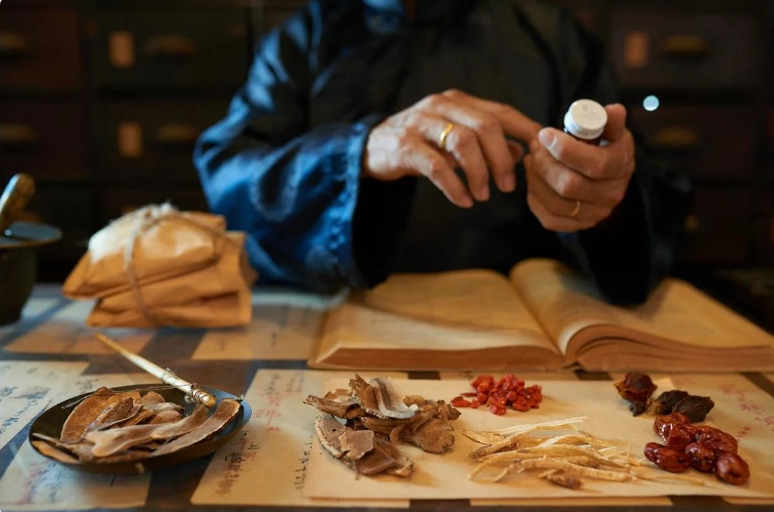
How does a herbal consultation become an individual plan?
The consultation identifies the concern you want to improve, then connects traditional reasoning, product decisions and follow-up. Sleep difficulty, for example, may involve trouble falling asleep or repeated waking, alongside dryness, feeling cold or appetite changes. Those combinations inform the traditional assessment instead of leading everyone to the same product labeled for sleep.
- Understand the current situation.Discuss when the symptoms occur and how they affect meals, sleep, work or travel, alongside known diagnoses, previous responses and other care.
- Explain the traditional reasoning.The practitioner combines the history with relevant traditional observation, listening, inquiry and palpation findings, explaining why a warming, clearing, qi-regulating or nourishing direction is being considered.
- Review the actual plan.If herbs are appropriate, the plan should identify ingredients or formula, preparation, directions and compatibility with prescription medicines, teas and supplements. Potential conflicts need coordination before use.
- Review the original goals.Compare sleep, meal-related discomfort, energy or the concern identified at the start. New symptoms and medicine changes inform whether to continue, adjust or use another form of care.
The aim is a personal plan with a clear purpose and review point, rather than a body-type label alone. The common-herb information below explains distinctions that matter when considering products; any actual ingredient choice is discussed in the context of your own situation.
How can you start a Chinese herbal consultation in New York?
To discuss your situation, review the Chinese herbal consultation and appointment information, then use your chosen office’s existing contact options and say that you are interested in herbal care. Consultations are offered in Manhattan, Forest Hills and Great Neck; the office confirms the individual practitioner and schedule.
We do not currently sell Chinese herbs online. The formula directory provides information, while an individual plan is discussed through consultation. Browsing the directory or buying a product yourself is not a prerequisite for contacting the practice.
What do common herbs actually offer for stress, sleep, immunity and energy?
“Natural healing herbs” covers many unrelated plants and products. Match a proposed use to the actual ingredient, form and outcome. The examples below explain common uses and why the product form matters, so you can distinguish a familiar food or drink from a medicinal preparation.
| Purpose and ingredient | What the distinction means | Relevant safety considerations |
|---|---|---|
| Stress and sleep: chamomile | Some supplement studies suggest a possible benefit for generalized anxiety. That does not establish that an ordinary cup of tea treats anxiety or insomnia. A familiar caffeine-free drink can still be a pleasant bedtime routine. | Related-plant allergies, including ragweed, and possible warfarin or sedative interactions matter. NCCIH: chamomile. |
| Stress and sleep: ashwagandha | Some preparations may help stress or insomnia; results concern particular products, not every powder or tea bearing the name. It belongs to Ayurvedic tradition and is not another name for Chinese ginseng. | Avoid during pregnancy and breastfeeding. Thyroid or autoimmune disorders, planned surgery, sedatives and other medicines need review; rare liver injury has been reported. NCCIH: ashwagandha. |
| Relaxation: lavender and valerian | A studied oral lavender-oil product is different from a fragrance oil or lavender tea. Scent may be enjoyable, but aromatherapy does not have an established insomnia-treatment effect. Valerian is not recommended by the American Academy of Sleep Medicine for chronic insomnia in adults. | Lavender can cause skin reactions and may interact with sedatives. Valerian should not be combined with alcohol or sedatives. NCCIH: lavender;NCCIH: valerian. |
| Digestion: ginger | Ginger may help pregnancy-related nausea and vomiting. Most studies tested supplements, rather than food. This finding does not make ginger a treatment for every stomachache or establish an energy-boosting effect. | Ginger can cause heartburn or abdominal discomfort. Review medicinal products and medicines together, including when pregnant. NCCIH: ginger. |
| Digestion: peppermint | Enteric-coated peppermint-oil capsules may help overall irritable bowel syndrome symptoms in adults. That evidence is about a particular formulation, not proof that peppermint tea treats IBS or every episode of indigestion. | Peppermint oil can worsen reflux or cause heartburn. Concentrated oil is not interchangeable with leaves or tea. NCCIH: peppermint oil. |
| Joint symptoms: turmeric | Early findings for oral turmeric or curcumin and knee osteoarthritis pain or stiffness are positive. Products differ substantially, and this does not establish a cold-prevention or universal immune benefit. | Some products designed to increase absorption have been associated with liver injury. Supplemental use is different from seasoning food. NCCIH: turmeric. |
| Colds and “immune boosting”: echinacea and elderberry | Echinacea may slightly reduce the chance of catching a cold; whether it shortens a cold remains unclear. Preliminary elderberry research concerns respiratory symptoms. These findings do not establish year-round protection from colds or flu, or replace medical care. | Echinacea can cause severe allergy and needs medication review. Raw or unripe elderberries, and other plant parts, can contain poisonous cyanide-producing substances. NCCIH: echinacea;NCCIH: elderberry. |
| Energy and fatigue: Asian ginseng and maca | Asian ginseng may have a small effect on general fatigue; findings for a multi-herb formula do not show the same effect for ginseng alone. It does not generally improve athletic performance. Maca is marketed for energy; that is different from a reliable, predictable boost for a tired commuter. | Ginseng can itself cause insomnia, affect blood sugar or clotting, and interact with medicines. Maca can interfere with testosterone laboratory tests. NCCIH: Asian ginseng;MSK: maca. |
A fragrance or diffuser oil is not an oral herbal preparation. Do not swallow it or apply a product to skin unless that use is specifically intended. Essential oils can irritate skin and some can cause poisoning when swallowed or misused, as US Poison Control explains.
After accidental ingestion, call Poison Control at 1-800-222-1222 for product-specific advice. Persistent fatigue, sleep difficulty or repeated illness also deserves assessment of the actual problem, rather than adding several products under a broad “wellness” label.
From everyday use to follow-up: what does the consultation review?
A daily tea, a concentrated extract and an individualized Chinese herbal formula are different products with different amounts and uses. A herbal consultation distinguishes what you currently take, the symptom being assessed and how a proposed product fits your medicines and health history. The plan includes actual ingredients, instructions and a review point.
Chinese food traditions and Chinese herbal medicine share some terminology, but eating an ingredient and taking a formulated product can be different decisions. The amount, preparation and reason for use matter. Bring the actual packaging and explain your goal so the recommendation can be discussed in the context of your health and daily life.
Start with how you actually use the ingredient
Describe whether a product is part of a meal, a beverage you drink occasionally or something you take according to a schedule. Include the amount and how you prepare it. A practitioner can review a concrete routine more clearly than a statement that you use a certain herb for general health.
A recipe, package photograph or list of ingredients can make actual use clear. A family food tradition and a medical product recommendation have different purposes; the consultation can respect that tradition while reviewing current health needs.
Explain what prompted your interest. You may enjoy a familiar taste, want to understand a traditional practice or be looking for help with a symptom. These purposes should be separated. A food you enjoy does not need a disease-treatment claim, while a persistent symptom deserves an appropriate assessment.
Distinguish preference from a therapeutic instruction
A warm drink can be something you enjoy without needing to label it a treatment. Tell the practitioner whether a preparation is a cultural preference, a regular food or a product you take for symptoms. This helps keep ordinary meals separate from recommendations that need an ingredient and medicine review.
If a food suggestion is presented as part of a care plan, clarify its purpose and what you should observe. Avoid assigning medical meaning to every meal. A focused recommendation should help you answer your original question while leaving room for a varied routine that fits your nutritional needs.
Tea, extract, powder and formula are not interchangeable labels
Products can contain different plants or plant parts and different concentrations. Tea usually involves steeping the material in water; a decoction involves simmering it. Tinctures commonly use alcohol and water, and extracts can be liquid or dried. Preparation changes which constituents and amounts reach the finished product, as the NIH Office of Dietary Supplements explains.
An ingredient name alone therefore cannot establish an equivalent dose. Bring the actual panel and directions; do not convert a recipe into capsules or substitute another brand yourself.
One slice of cooking ginger, a mixed tea bag and an extract capsule cannot be converted into equivalent amounts merely because they share an ingredient. Combination products may also duplicate ingredients in another tea or supplement.
For a tea, note the amount used, how often you make it and what else is added. For a capsule or powder, note the serving size and how many servings you take. If the label gives unclear instructions, treat that as a question to resolve before using the product rather than an invitation to improvise.
Written directions make it easier to follow the plan consistently and to explain it to another clinician if needed.
Bring a complete picture of your routine
Include medicines, vitamins, sports supplements, sleep products and occasional remedies in your list. A product does not become irrelevant because it came from a grocery store or was recommended by a friend. The useful information is what it contains and how you use it.
Photographs are often easier than carrying every container. Include both the front label and the detailed panel. Keep the images readable and note which products you have stopped. This helps distinguish your current routine from the collection of things you have tried over the past several years.
Tell the practitioner about allergies, pregnancy or breastfeeding and relevant medical diagnoses. If you have dietary instructions from a kidney specialist, diabetes clinician or another treating professional, bring those instructions. Food and herbal advice should fit that established plan.
Use meals as practical information, not a test of willpower
Describe a representative workday and a day off: when you eat, what is convenient and what tends to be difficult. If irregular hours make regular meals hard, say so. Advice is more usable when it addresses your actual kitchen, work schedule and budget rather than an idealized routine.
Bring up appetite, fullness or meal-related discomfort in plain language. Note whether a concern occurs before eating, during a meal or later. You do not need to classify yourself according to a traditional food chart before the visit. A clear description gives the practitioner a better starting point.
Avoid making several restrictive changes at once simply because an online list labels foods as unsuitable. If you already have a prescribed diet, discuss changes with the clinician managing it.
Understand traditional explanations in context
In TCM, the Four Natures—cold, cool, warm and hot—describe traditional interpretations of an ingredient’s action in relation to a Cold or Heat pattern. They do not mean its temperature in your cup. The China Academy of Chinese Medical Sciences explanation (Chinese) distinguishes warming approaches for Cold patterns from clearing approaches for Heat patterns.
The Five Flavors—pungent, sweet, sour, bitter and salty—also summarize traditional functions: dispersing or moving, supporting and harmonizing, containing excessive loss, clearing or drying, and softening, respectively. These are traditional categories, not a reason to add more sugar or salt. A bitter or spicy taste alone cannot determine which product is appropriate.
A practitioner might consider feeling cold together with loose stools and reduced appetite differently from dryness with night sweats and sensations of heat. These combinations illustrate different traditional lines of reasoning, not a food chart for diagnosing yourself.
Mixed features can coexist, and recommendations need review when symptoms, medicines or the clinical picture change. The Hong Kong Department of Health’s food and health guide (Chinese) emphasizes regular meals, variety and individual context. A suggested warming or nourishing food should have a clear purpose within that context; it does not require avoiding a whole food group. Traditional categories are not laboratory measurements or substitutes for medical diagnosis.
The NCCIH introduction to TCM provides background on the field. Our TCM consultation guide explains how to connect a broad traditional discussion with a specific patient goal.
Review products with your medical team
Herbal and supplement ingredients can interact with medicines. They may also need special review during pregnancy, breastfeeding or before surgery. The NCCIH supplement guide explains why keeping clinicians informed matters. Bring the ingredient list to the professional reviewing the combination.
Do not stop a prescription medicine in order to try a tea or formula without discussing it with the prescriber. Changing a medicine and adding a supplement are separate decisions, and each needs clear instructions.
If your medical team asks you to avoid a product, tell the herbal practitioner what was advised and why, when that information is available. This makes it possible to discuss another approach or postpone a recommendation. Coordinated care works best when each professional can see the same current information.
Read the recommendation before you leave
Written directions should identify the exact product or formula and its form, the amount per use, frequency and any preparation steps, as well as storage and the planned review point.
For a product that must be brewed, the instructions should explain how to prepare that specific product; for a ready-made product, they should distinguish the amount per serving from the number of servings. Whether another course is appropriate should be reviewed against the original goal and any unwanted effects, rather than assumed at purchase.
Find out what to do if you miss a dose, travel or cannot obtain the same preparation. Do not substitute a similarly named product without checking. Keep updated instructions together so a previous version is not accidentally followed after a change. Keep packaging and batch information and follow storage instructions. For a loose product, its source and contents should be identifiable. Avoid trying several similar products at once because of promotions or reviews.
Record when you started the product and any new symptoms. Seek prompt medical help for a serious reaction; the ingredient list and packaging can help the treating team understand the exposure.
Keep the follow-up focused on your original question
Before starting, note the specific concern and a simple way to describe it. If the question involves meals, record the timing of discomfort and what it stops you doing. If it involves sleep, record the pattern rather than only whether the night felt good or bad.
At the next consultation, review the same observations. Mention changes in prescriptions, diet, work hours or illness that happened at the same time. This provides context for deciding whether the recommendation remains useful and whether another assessment is needed. At a refill, explain whether the formula is being used with your existing tea or supplements and update medicines and health changes.
You should be able to explain why the plan is continuing or changing. An ongoing purchase is not the only possible outcome of a consultation. A clearer routine, a resolved product question or a decision to seek medical review can each be a practical next step.
Resolve language and label questions before use
If a recommendation is described in Chinese and your medicine list is in English, keep both original versions. Common names can be ambiguous, so the packaging remains useful even when a translation is provided.
Tell the office if you need help understanding written directions. Read the instructions back in your own words. This is particularly useful when a preparation requires several steps or when another household member will help prepare it.
Keep cultural preferences part of the conversation. If you prefer to continue a familiar family meal, describe its ingredients so the advice can be discussed around your real routine.
Also distinguish an ingredient question from a nutrition question. If you are struggling to eat enough, losing weight unintentionally or following a medically restricted diet, tell the clinician managing that issue. A list of traditional foods should not obscure the need for individualized nutritional assessment. The consultation can then focus on how its recommendations fit the advice you receive.
Use the information for your own next step in herbal care
Our Chinese herbal medicine service explains the consultation pathway. Use current practitioner profiles and the selected office's contact information to confirm who provides the appointment and where. The presence of three clinics does not mean every practitioner consults at every location.
For formula selection, product quality and monitoring questions, see the separate herbal consultation guide. The common-herb guide and product distinctions are a starting point for understanding individual herbal care. A consultation connects that information with your symptoms, medicines and daily life so the recommendations can be followed and reviewed.
If you want to understand how these principles apply to your situation, an individual Chinese herbal consultation can bring your current concerns and existing care into the same discussion.
Explore herbal care
These guides connect the consultation, everyday products and individual traditional reasoning.
OUR LOCATIONS
Choose a clinic.
Choose a convenient location to discuss your needs or arrange a visit.