
HEALTH JOURNAL
Acupuncture Near Me: What to Expect at Your First Visit
Ben Wong · · Updated
Your first acupuncture visit begins with discussing your symptoms and health history, followed by an explanation of the proposed treatment. If you choose to proceed, the practitioner places fine needles, monitors your comfort and explains what to observe afterward. The assessment relates your health history to the everyday activity affected.
Finding acupuncture nearby is the first step. Before booking, it helps to know what the first visit involves, how much time to allow and what a useful treatment plan should look like. A good starting point is one clear concern: pain that interrupts sleep, difficulty turning your head, or discomfort that limits walking or work.
On this page
- What does acupuncture involve?
- How to choose a nearby acupuncture clinic
- What to expect at your first acupuncture visit
- What if you are nervous about needles?
- How long does acupuncture take?
- How quickly does acupuncture work, and how long do the effects last?
- How often should you go, and how many sessions will you need?
- Prepare for comfort and know what to report afterward
- Make your progress notes easy to use
- Choose a clinic for your first visit
An initial acupuncture or physical therapy visit at Wongs Acupuncture & Angel Alliance Physical Therapy usually takes about 75–90 minutes. If both services are arranged together, the visit takes a little longer. Massage, devices and other appointments do not automatically use that duration. The guide below separates the appointment, the treatment experience and changes over subsequent visits.
What does acupuncture involve?
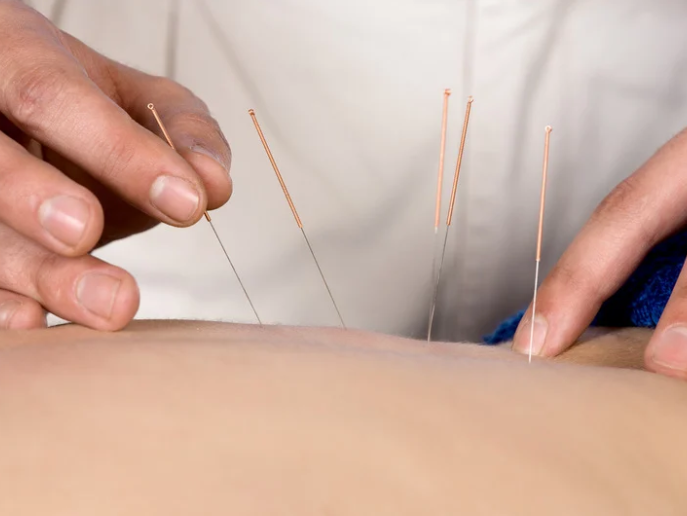
Acupuncture uses fine needles placed at selected points on the body. No medicine is injected through these needles. Points may be near a painful area or farther away, depending on the approach and concern being treated. Mayo Clinic’s acupuncture information describes this process and the use of distant points.
In traditional Chinese medicine, meridians are a framework linking different body regions and the movement and functions of qi. One traditional way of interpreting pain is that this movement is impeded. The practitioner considers the current pattern when selecting points along relevant pathways or body regions, with the aim of regulating that movement and addressing the symptom and activity goal. Qi and meridians are traditional explanatory concepts, not a test showing that a blood vessel or nerve is blocked.
Modern research examines how needle-related sensory input may influence the nervous system’s processing of pain signals, as well as responses in local tissues. Treatment context and expectations can also affect symptoms. NCCIH’s evidence overview describes potential benefit for some back or neck pain and knee osteoarthritis; the size of benefit depends on the condition and comparison. A proposed mechanism does not predict an individual result.
For a first visit, the practical question is how acupuncture fits your particular problem and daily goals. Our acupuncture service page explains the service. If pain also limits strength, movement or everyday tasks, a physical therapy assessment can address those aspects. Medical massage is another separately arranged service; choosing a clinic does not select a whole treatment package.
How to choose a nearby acupuncture clinic
Convenience matters when you may need follow-up, but consider whether the clinic can arrange an appropriate service, practitioner and communication support for your concern. Explain the main problem when contacting the office so the team can coordinate a suitable starting visit. Our clinic-selection guide covers actual offices, communication, insurance and appointment arrangements in more detail.
The practical arrangements include:
- Practitioner and service. The booking identifies the practitioner and the requested service.
- Health information and comfort. Relevant reports, a medication list and loose clothing support the assessment and treatment.
- Progress review. A care plan includes a specific symptom or activity goal and a review point.
- How can I check my insurance? Send your insurance information to your preferred office so the team can check benefits for the requested service.
Use the clinic cards at the end of this article to compare available offices. Choose a journey you can manage for follow-up as well as the first appointment. Clinic opening hours and a particular practitioner’s appointment availability are separate arrangements.
What to expect at your first acupuncture visit
- Describe the problem. Explain when symptoms began, what changes them and which activity is difficult.
- Review the proposal. Discuss relevant health information, positioning, treatment areas and how to request a pause before deciding whether to proceed.
- Communicate during needling. A mild ache or heaviness can occur; report sharp pain, dizziness or persistent discomfort promptly.
- Aftercare and review. The close of the visit covers care afterward and the symptom or activity used to follow progress.
A discussion of your symptoms and health history
Be ready to describe where symptoms occur, when they began, what makes them easier or harder to manage, and whether previous treatment or the problem itself is changing. A concrete example is more useful than a vague label: “My neck starts hurting after half an hour at the computer,” or “I wake up when I roll onto my shoulder.” A short timeline can help; you do not need to choose a point map or number of needles in advance.
The assessment also considers your general health, prescribed medicines and supplements. Mention possible pregnancy, blood-thinning medicines or bleeding problems, skin problems, a pacemaker or other implant, and recent health changes. Bring relevant reports you already have. A pacemaker is particularly relevant when electrical stimulation is being considered. Mayo Clinic’s explanation discusses pregnancy and pacemakers, and MSK’s acupuncture FAQ identifies anticoagulant use as a reason for assessment before treatment.
A TCM assessment considers sleep, appetite, sensitivity to warmth or cold and symptom timing alongside the main concern. A pattern means considering these clues together, rather than choosing treatment from the pain’s location alone. For the same neck or shoulder complaint, timing, sleep and activity limitations may change the assessment; no single clue establishes a pattern by itself.
China’s official explanation of the Four Diagnostic Methods standards describes observation, such as appearance and tongue; listening and smelling; asking about the history and overall symptoms; and palpation, including pulse and touch. These methods gather different kinds of information for traditional pattern assessment. They do not replace an existing medical diagnosis or tests.
An explanation of the proposed treatment
Before needling, the proposed areas, positioning and expected sensations should be explained. Tell the practitioner if you are anxious about needles or if lying in one position aggravates your symptoms. You can request a pause or decline a proposed part of treatment.
A mild ache, warmth or heaviness can occur around a needle. Tell the practitioner about sharp pain, persistent discomfort, dizziness or feeling unwell so the treatment can be adjusted. The Guy's and St Thomas' patient guide describes common sensations and the importance of communicating during a session.
Why might needles be placed in your legs?
Acupuncture on the legs does not necessarily mean that only leg pain is being addressed. Mayo Clinic explains that selected points may be far from the painful region; the British Acupuncture Council’s patient FAQs identify the lower arms and legs as commonly used areas. Placement should fit the practitioner’s assessment and explanation, rather than let you infer a diagnosis from a point’s location alone.
Points on the lower legs or feet may be used as part of the treatment, even when the main discomfort is elsewhere. Loose clothing can make positioning easier. Mention a skin problem, unusual swelling or a tender area before treatment. This is a discussion to have with the treating practitioner, rather than a reason to select or needle points yourself.
How deep do the needles go?
Depth varies with the point and tissue being treated. Some needles sit just under the skin; others reach muscle, as the NHS Wales description explains. Needle length is not insertion depth. Deeper insertion or stronger pain is not a goal to pursue yourself. A trained practitioner selects the technique for the person; this article does not provide self-needling instructions.
What if you are nervous about needles?
Raise the concern when booking and again before treatment. Explain whether the difficulty is seeing needles, a previous fainting episode, uncertainty about sensations or remaining in one position. These concerns can lead to different conversations about comfort and whether you want to proceed.
The proposed areas and a way to pause treatment should be clear before needling starts. You can decline a technique; agreeing to an appointment does not remove the need for consent during the visit. Do not assume that distress or a stronger sensation is necessary for benefit.
The hospital patient guide describes sensations and possible reactions. Tell the practitioner promptly if you feel faint, sharply uncomfortable or unwell. An introductory conversation should help you make an informed choice, without promising that everyone will find the same experience comfortable.
How long does acupuncture take?
Appointment length, time with needles in place, time until improvement and duration of relief are four separate questions. Knowing which one you mean helps you get a useful answer.
| Question | What to expect |
|---|---|
| How long is the first appointment? | Allow about 75–90 minutes for an initial acupuncture or PT visit at Wongs Acupuncture & Angel Alliance Physical Therapy. The visit includes time to discuss your concern and plan your care. |
| How long do needles stay in? | Needle retention is one part of the appointment. The practitioner will explain the technique and timing being used. |
| How quickly can symptoms change? | A change may occur early or become clearer over several visits. Check a meaningful activity as well as how you feel immediately afterward. |
| How long can relief last? | Assess your own response over time. Results after a complete treatment course do not predict the effect of one session. |
There is no single needle-retention time used in every setting. The British Acupuncture Council describes 20–30 minutes as common, with shorter or longer periods depending on the approach and condition. This is that source’s general example, not a uniform retention time prescribed by this practice. The actual technique, retention and follow-up appointment length are explained for your own plan.
How quickly does acupuncture work, and how long do the effects last?
Immediate relaxation and an improvement in the problem that brought you to treatment are different observations. Before the first session, choose something you can compare afterward: how long you can sit comfortably, whether pain wakes you, or how easily you can turn your head.
UCLH notes that pain improvement may not be immediate and that some people notice a change only after more than one treatment. That is a reason to agree on a review plan, rather than assume either immediate success or an indefinite course.
A 2017 individual-patient-data analysis used longer-term data from 20 trials involving 6,376 people with chronic pain. Its model of changes over time estimated that much of the benefit relative to no acupuncture persisted at 12 months. The smaller advantage over sham (simulated) acupuncture declined more, with neck-pain studies showing a more marked decline over time. Follow-up varied. These are estimated group differences after treatment courses, not a prediction of relief from one appointment or a guarantee of an individual result.
For condition-specific detail, see our guides to acupuncture, PT and massage for neck and shoulder pain, acupuncture and physical therapy for back pain, and acupuncture for knee pain.
How often should you go, and how many sessions will you need?
The useful answer is an initial treatment plan with a review point. The proposed frequency and review point should relate to useful changes in symptoms or activity, with the plan adjusted when needed. A plan for persistent pain may differ from the plan for a recent episode, and it can change as your activity and symptoms improve.
Bring a brief record to the review:
| What to track | A practical example |
|---|---|
| Daily function | Walking to the station, working at a desk or carrying groceries. |
| Symptoms | Where discomfort occurs, its intensity and what brings it on. |
| Duration of a change | Whether an improvement lasts beyond the visit or into the following days. |
| Other changes | New exercise, medicines, another treatment or an unwanted effect. |
This record helps you and the practitioner recognize useful progress and choose the next step together. Bring changes in medicines, activity or other care to the review as well, so the plan reflects your whole situation. If function is not improving or symptoms are worsening, discuss an adjustment or another assessment rather than simply repeating the same approach.
Prepare for comfort and know what to report afterward
Have a light meal or snack beforehand rather than arriving hungry, unless your medical team has given different instructions. Our acupuncture preparation information describes this practice. If you feel sleepy or faint afterward, arrange help getting home and avoid driving or machinery until fully alert.
Wear clothing that allows the relevant area to be reached comfortably. A medication list and relevant reports help the assessment. If you have previously felt faint during a procedure, mention that when booking and again at the visit.
Acupuncture can cause temporary soreness, a small bruise or drowsiness. Guy’s and St Thomas’ guidance advises reporting changes and avoiding driving or machinery while drowsy. Sterile, single-use needles and appropriate practice are essential. Marked or worsening symptoms need assessment rather than being assumed to mean treatment is working. Sudden breathing difficulty or severe new chest pain needs urgent medical evaluation; call 911 in the United States for severe breathing difficulty. Our aftercare guide covers common reactions, care and seeking help.
Keep your regular healthcare team informed about complementary treatment. Discuss your medicines with the prescribing clinician; do not change them just to prepare for acupuncture.
Make your progress notes easy to use
A short record is easier to maintain than a detailed diary that you abandon after a day. Choose one ordinary task and describe it in the same way before each review. For walking, note a familiar route and when discomfort changes it. For work, describe the task and when you need to change position. For sleep, record whether pain interrupts the night rather than trying to grade the whole day with one number.
Include what happened after the activity as well as during it. You might complete a task comfortably but notice a problem later, or discover that a shorter version is manageable. Bring that distinction to the practitioner instead of repeatedly testing the maximum you can tolerate. The purpose is to inform a plan, not to push through symptoms to earn a better score.
Activity changes and new symptoms belong in the progress record alongside any change in medicines or other care. Persistent deterioration, sharp pain or feeling unwell calls for appropriate follow-up rather than repeatedly testing a painful activity.
Choose a clinic for your first visit
Acupuncture, physical therapy and medical massage are available at our Manhattan, Forest Hills and Great Neck clinics. Tell the office your main concern and which service you would like to discuss. The clinic cards below provide the contact and booking options for each location.
A first visit brings the symptoms, health history and affected activities into one assessment. Understanding the proposed care, staying comfortable during treatment and following changes in ordinary life make the process easier to follow from the start.
OUR LOCATIONS
Choose a clinic.
Choose a convenient location to discuss your needs or arrange a visit.