
HEALTH JOURNAL
How Does Acupuncture Work? History, Mechanisms, and Clinical Uses
Ben Wong · · Updated
Acupuncture helps relieve certain pain conditions and symptoms by stimulating selected points. Needling activates local tissues and sensory pathways that connect with the spinal cord and brain. TCM guides point selection through Qi, Blood, meridians and the individual symptom pattern.
These frameworks can inform a consultation, while clinical studies establish what benefits have actually been observed.
How can a fine needle help relieve pain? Why might an acupuncturist select points on the hands or feet when treating discomfort in the back, head, or face? What happens in the body after a needle is inserted?
Traditional Chinese Medicine, or TCM, describes acupuncture in terms of promoting movement through the meridians, regulating qi and Blood, and harmonizing the functions of the TCM organ systems. Treatment is guided by pattern differentiation: the practitioner considers the patient's overall pattern of symptoms and signs when selecting points, needling techniques, and stimulation methods.
Modern research complements this approach by examining responses in local tissues, sensory nerves, the spinal cord, the brain, and neuroendocrine pathways.[1],[2]
From cellular activity near the needle to pain-processing networks in the brain and pathways connecting the autonomic nervous system with the adrenal glands, research is gradually revealing how these responses are connected.[2],[3]
On this page
- 1. What Is Acupuncture?
- 2. A Brief History of Acupuncture
- 3. How TCM Explains Acupuncture
- 4. How Acupuncture Affects the Nervous System
- What does modern research suggest?
- Why does the comparison treatment matter?
- How do mechanism research and clinical benefits fit together?
- How are needle sensations and treatment progress reviewed?
- What a clear acupuncture plan includes
- 5. How Acupuncture Relates to Hormonal and Immune Responses
- 6. Clinical Uses of Acupuncture and Areas of Research
- 7. What to Know before Acupuncture
- 8. Frequently Asked Questions
- Find Out Whether Acupuncture Is Right for You
- References
1. What Is Acupuncture?
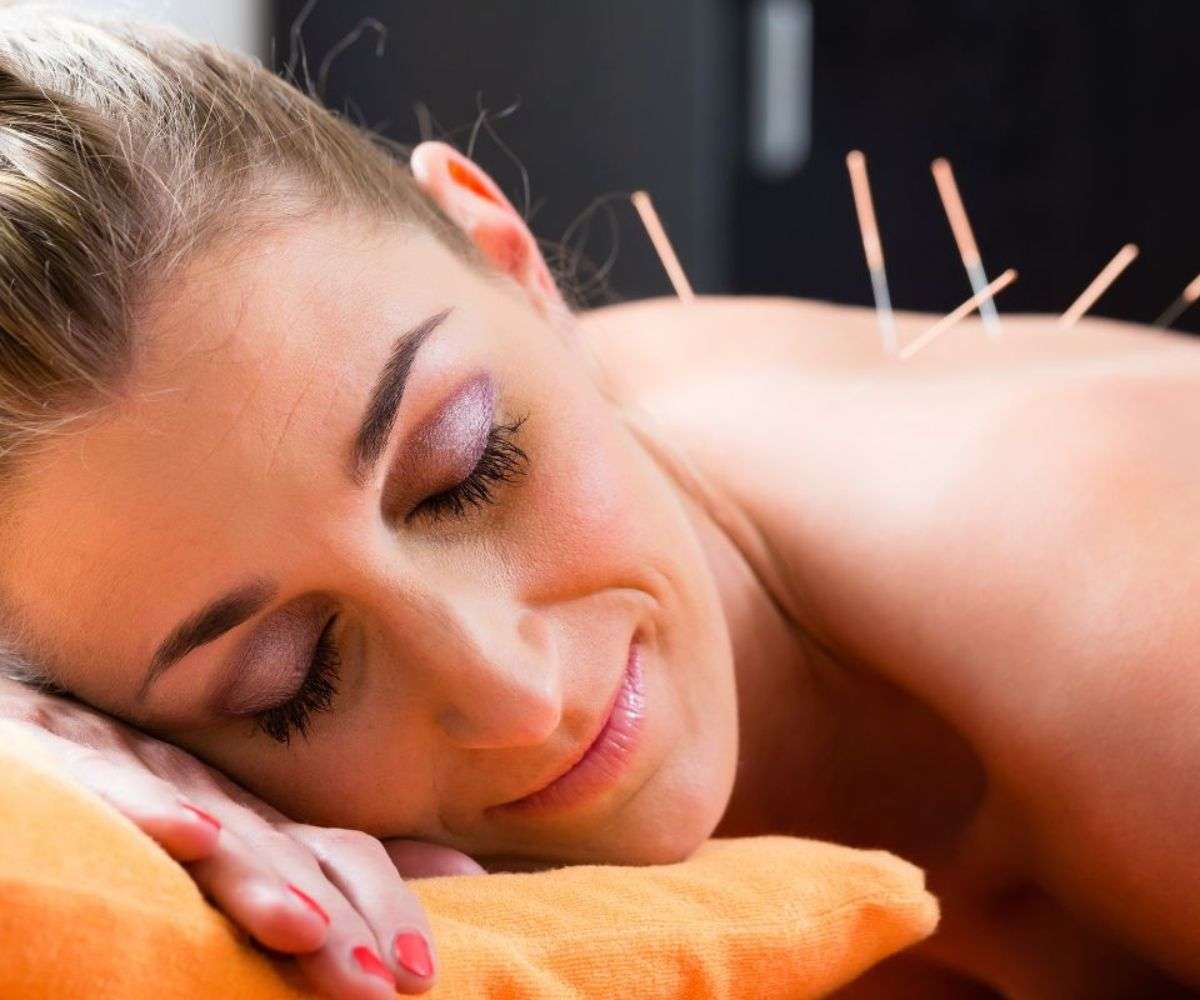
Acupuncture is an important part of TCM. The Chinese term zhenjiu brings together two practices: acupuncture, which uses fine needles to stimulate selected points, and moxibustion, which uses heat. Modern needle acupuncture uses sterile, single-use needles without injecting medication.[1],[4]
Common approaches include:
- Manual acupuncture: Point selection is combined with specific needling techniques.
- Electroacupuncture: Controlled electrical pulses are applied between needles, with adjustable frequency and intensity.
- Ear acupuncture uses needles. Ear seeds use adhesive patches and seeds or beads for pressure without needles.
- Moxibustion: Heat is used to stimulate selected areas.[1]
This article focuses on manual acupuncture and electroacupuncture.
2. A Brief History of Acupuncture
Acupuncture originated in China and has developed over more than 2,000 years. Its practice brings together meridian theory, acupuncture points, pattern differentiation, needling techniques, and clinical experience.[43]
The Huangdi Neijing established a theoretical foundation. Its discussions of meridians, acupuncture points, and needling influenced later generations of practitioners. The Lingshu, one part of this classical work, focuses extensively on acupuncture.[43]
Specialized texts and teaching methods supported its development. During the Wei and Jin period, Huangfu Mi compiled the Zhenjiu Jiayijing, systematically organizing acupuncture theory and clinical knowledge.[44] In the Song dynasty, bronze acupuncture figures were used to teach and assess point location.[5]
Modern research expanded the ways acupuncture could be studied. Clinical trials, electrophysiology, brain imaging, and live microscopy now allow researchers to examine responses at different scales. In 1997, the US National Institutes of Health held a consensus conference on acupuncture, supporting further research and professional discussion.[1]
The tradition continues to be passed on. In 2010, acupuncture and moxibustion of Traditional Chinese Medicine were inscribed on UNESCO's Representative List of the Intangible Cultural Heritage of Humanity.[6]
The Chinese Association of Acupuncture and Moxibustion records Wang Weiyi’s 1026 point-location text and the bronze teaching figures completed in 1027 (Chinese) documents the development of point-location teaching and the use of bronze figures.
3. How TCM Explains Acupuncture
Meridians, Qi, and Blood
Within TCM, meridians are understood as connections between different parts of the body. The movement of qi and Blood, together with the functions of the TCM organ systems, forms part of the framework used to understand a patient's pattern.
Related information: TCM consultation guide
Acupuncture point selection follows treatment principles such as promoting movement through the meridians, regulating qi and Blood, and harmonizing the functions of these organ systems.[1]
Points may therefore be selected near the area of discomfort or at a distance, according to meridian relationships. Combining local and distal points is a common approach in clinical acupuncture.[1]
Pattern Differentiation and Individualized Treatment
An acupuncturist considers the location, quality, triggers, duration, and accompanying features of symptoms, together with tongue and pulse findings. Previous diagnoses, test results, and medications also inform the assessment.
Two people with pain may have different treatment needs. One may mainly experience localized tension, while another also reports poor sleep or fatigue. These differences help guide point selection, needling technique, stimulation, and follow-up.[1],[7]
Qi and Blood explanations distinguishes two main treatment aims:
- Reduced support or nourishment: support the functions described through Qi and Blood.
- Constrained movement: ease Qi stagnation or Blood stasis.
Cold and heat-related features also guide the choice. These patterns can occur together, so care may combine support and movement. The practitioner relates the traditional pattern to your symptoms alongside the medical assessment.
TCM provides the framework for pattern differentiation and treatment planning. Modern physiological research adds information about the tissue, nervous-system, and hormonal responses observed after acupuncture.
In TCM, Qi describes movement, warmth, protection, holding and transformation. The Chinese Association of Chinese Medicine explains qi and Blood within this traditional framework (Chinese) explains these traditional functions and their relationship with Blood. Traditional organ-system names describe this functional framework.
Meridians guide traditional point selection. Nerves and blood vessels describe anatomical structures. For a painful shoulder, the consultation can bring traditional point reasoning together with a medical assessment of movement and tissues.
4. How Acupuncture Affects the Nervous System
Local Stimulation Creates Sensory Signals
Needling stimulates the skin, muscles and connective tissues. This activates sensory structures and sends signals toward the spinal cord. The signals also interact with the brainstem and brain areas involved in sensation and pain. [2]
Through these connections, the response to needling can extend from local tissues to regulatory networks in the spinal cord and brain.
Activating the Body's Own Pain-Modulating Chemicals
An important area of acupuncture research involves endogenous opioid peptides: substances produced within the body that participate in pain regulation. They include:
These substances act through opioid receptors and participate in pain modulation in the brain, spinal cord, and peripheral tissues. Electroacupuncture research identifies the endogenous opioid system as an important component of acupuncture's pain-relieving mechanisms.[8],[2]
These are chemical messengers made by the body. Receptors are proteins that receive their signals. In the pathways being studied, this interaction can reduce the transmission of pain signals. [8] [9]
Professor Ji-Sheng Han’s review connected electroacupuncture frequency with different opioid-peptide responses under experimental conditions:
- 2 Hz: responses involving enkephalin, beta-endorphin and endomorphin.
- 100 Hz: responses involving dynorphin.
These findings show that stimulation parameters can influence the responses being studied. In practice, stimulation is selected according to the condition, treatment goals, and the patient's experience.
Engaging Pain-Modulating Pathways from the Brain to the Spinal Cord
As pain information travels from the body toward the brain, the brain also sends signals downward to influence how the spinal cord processes that information. These pathways are known as the descending pain-modulation system.[2]
Experimental electroacupuncture research has examined the involvement of serotonin, also called 5-hydroxytryptamine, and norepinephrine, also called noradrenaline. Research also involves GABA, or gamma-aminobutyric acid, and dopamine. These neurotransmitters act through their receptors in different locations and participate in the transmission and processing of pain information.[2]
Human Brain Imaging Shows Responses to Acupuncture
Functional magnetic resonance imaging, or fMRI, measures changes in blood-oxygen signals associated with neural activity, allowing researchers to study the brain's response during acupuncture.
Hegu acupuncture and brain activity. A study published in 2000 examined healthy volunteers receiving acupuncture at Hegu, also known as LI4. Researchers observed signal changes in the sensory cortex and in parts of the limbic system and subcortical structures, demonstrating changes in brain activity during needling.[10]
Carpal tunnel syndrome and neuroplasticity. A 2017 study published in Brain assigned people with carpal tunnel syndrome to local electroacupuncture, distal electroacupuncture, or local sham electroacupuncture. Symptoms improved in all three groups. The acupuncture groups showed more pronounced changes in selected measures of median nerve conduction and the primary somatosensory cortex. Some imaging changes were associated with subsequent symptom improvement.[11]
Changes in brain opioid-receptor binding. A 2009 PET study in people with fibromyalgia found different effects of acupuncture and sham acupuncture on brain μ-opioid receptor binding measures. Some changes were associated with reductions in pain. These findings provide imaging data for research into the opioid system's role in acupuncture responses.[12]
Observing Cellular Responses under the Microscope
In animal experiments, fluorescent labeling and calcium imaging allow researchers to observe cellular activity during acupuncture.
Observing neurons in the brain. A methodological study published in the Journal of Visualized Experiments in 2026 described live two-photon imaging of neuronal calcium signals in the primary somatosensory cortex of mice during electroacupuncture at Zusanli, or ST36. This technique allows researchers to observe how groups of neurons respond to stimulation at the cellular level.[13]
Observing muscle cells near ST36. A study published in Chinese Medicine in October 2026 used two-photon calcium imaging and other methods to examine muscle-cell responses near ST36 in a mouse model of inflammatory pain. The findings implicated the mechanosensitive protein Piezo1, cellular calcium signaling, and ATP/adenosine-related processes in the conversion of needling stimulation into pain-modulating signals.[14]
The mouse study examined how a physical stimulus becomes a cell signal:
- Piezo1: an ion channel that responds to mechanical force.
- Calcium: changes within the cell that carry signals.
- ATP and adenosine: molecules linked with cellular energy and signaling.
ATP stands for adenosine triphosphate. Researchers connected these responses with pain-modulating signals and tested the pathway by interfering with its parts. [14]
Earlier mouse experiments also found that local adenosine levels increased after acupuncture and that adenosine A1 receptors participated in pain relief. This provides another line of research into local chemical responses around the needling site.[15]
Each type of study adds a different part of the explanation. Human imaging observes brain responses and their association with treatment. Mouse experiments test particular cellular pathways. Clinical studies assess changes in symptoms and daily life.
The following sections explain research comparisons, contextual effects and the difference between a mechanism and a clinical result.
What does modern research suggest?
NCCIH describes three overlapping influences: nervous-system responses, local tissue responses and the treatment setting. Together, these help researchers study how acupuncture affects symptoms.
- Nervous-system effects: studies in people and animals, including brain-imaging studies, suggest acupuncture can affect nervous-system activity. A change on an image is an observation about activity; it is not, by itself, proof that a person’s underlying condition has been corrected.
- Local tissue effects: researchers have observed effects in tissues where needles are inserted, including connective tissue. A local response does not establish how long a person’s symptoms will improve or whether an injured structure has healed.
- Nonspecific effects: expectations, the interaction with the practitioner and other features of the encounter may contribute to changes in symptoms. “Nonspecific” does not mean the person imagined the experience. It identifies influences beyond the particular needle procedure being tested.
Research connects laboratory observations with practical questions. For neck pain, one useful clinical outcome is sitting through a meeting with fewer pain interruptions. The treatment plan uses symptom and activity goals that matter to you.
Why does the comparison treatment matter?
A study of acupuncture compared with no acupuncture asks a different question from a study comparing acupuncture with a simulated procedure. NCCIH reports that benefits in many studies have been larger against no treatment than against sham acupuncture. That pattern suggests that contextual effects contribute to observed improvements.
| Comparison | What it helps investigate | What it cannot establish alone |
|---|---|---|
| Acupuncture versus no acupuncture or usual care | What changes when acupuncture is added to that care setting. | How much of the difference comes from the particular needling technique. |
| Acupuncture versus sham acupuncture | The difference between the tested needling procedure and a simulated comparison. | That every sham method is equivalent or that the result applies to every condition. |
| Acupuncture versus another treatment | How the specified treatments compare for the participants and outcomes studied. | Which treatment is best for every patient. |
To understand a study, check the diagnosis, actual needling and comparison methods, outcomes and follow-up period. Also check whether participants knew their group. Sham procedures vary between studies, so these details help explain each result.
How do mechanism research and clinical benefits fit together?
Mechanism studies explain responses to needling; clinical trials measure benefits in people with a defined condition. Reading both gives a fuller account of how acupuncture relates to pain relief and everyday function.
For care planning, use studies that match the diagnosis and treatment goal. The consultation can connect the relevant clinical outcomes with traditional reasoning and the procedures being considered.
How are needle sensations and treatment progress reviewed?
Needling can cause a brief pinch, pressure or aching. Tell the practitioner about sharp or distressing sensations so they can adjust the treatment. Progress is reviewed through the symptom and daily activity you want to improve.
Choose a practical comparison before treatment. If neck pain interrupts computer work, you could discuss how long an ordinary work period remains comfortable. At follow-up, describe the same activity, how long any change lasted and any unwanted effects. Note other changes, such as medication, workload or exercise, so the conversation has context. Our pain-assessment guide develops this approach.
What a clear acupuncture plan includes
A clear plan includes:
- The assessed concern and daily activity to improve.
- The proposed procedure and its treatment aim.
- Relevant health information and current care instructions.
- A review point to discuss progress and adjust the plan.
The practitioner explains traditional reasoning and modern research in that context.
Bring relevant diagnoses, medicines and past treatment experiences. Keep medical assessment and prescribed care coordinated with acupuncture. Our acupuncture aftercare guide explains reactions after a session and the appropriate next steps.
5. How Acupuncture Relates to Hormonal and Immune Responses
The HPA Axis: Acupuncture and the Stress Response
The hypothalamic-pituitary-adrenal axis, or HPA axis, is an important connection between the nervous and endocrine systems and participates in the body's stress response.
In humans, the hypothalamus releases corticotropin-releasing hormone, or CRH. This stimulates the pituitary gland to release adrenocorticotropic hormone, or ACTH, which in turn influences cortisol secretion by the adrenal cortex. Feedback mechanisms and daily biological rhythms also regulate this process.[16]
In a rat model of chronic cold stress, researchers observed lower levels of stress-related markers, including CRH, ACTH, and corticosterone, following ST36 electroacupuncture compared with the corresponding stress control group. A 2024 review also examined research involving acupuncture and regulatory processes in the hypothalamus, hippocampus, amygdala, and pituitary gland.[17],[16]
These studies examine how acupuncture-related stimulation interacts with the neural and hormonal signals involved in stress regulation.
The Vagal-Adrenal Pathway: Anti-Inflammatory Responses to ST36 Electroacupuncture
A mouse study published in Nature in 2021 combined neuronal labeling, microscopy, and functional experiments to investigate how electroacupuncture at ST36 influences inflammatory responses.
Under specific low-intensity stimulation conditions, sensory neurons marked by PROKR2 helped activate the vagal-adrenal pathway, promoting catecholamine release and reducing inflammatory mediators such as TNF and IL-6 in the experiments. Catecholamines are a class of signaling chemicals that includes epinephrine (adrenaline), norepinephrine and dopamine.[3]
When the researchers removed the relevant sensory neurons, this anti-inflammatory response disappeared. Imaging, interventions targeting nerve function, and measurements of inflammatory mediators together outlined a connection: sensory input from the ST36 region can act through autonomic pathways to influence adrenal responses and inflammatory regulation in this experimental model.[3]
These studies examine two types of adrenal response. HPA-axis research focuses on adrenal cortical hormones and stress regulation, while research on the vagal-adrenal pathway focuses on catecholamine-related responses.[16],[3]
The two pathways involve different signals:
- HPA axis: a hormone signal from one gland prompts the next gland to respond.
- Mouse vagal–adrenal experiment: sensory input activates a nerve pathway that changes adrenal catecholamine release and inflammatory signals.
Catecholamines are signaling chemicals. TNF and IL-6 are inflammatory messengers measured in the experiment. [3] [16]
These experiments describe stress-related and inflammatory signaling under defined conditions. Clinical care uses the person’s diagnosis, treatment goals and relevant human research to plan acupuncture.
Researchers controlled the location, depth and intensity of stimulation. A qualified practitioner selects and performs needling for your clinical situation.
6. Clinical Uses of Acupuncture and Areas of Research
An acupuncture assessment considers the medical diagnosis, the TCM pattern, changes in symptoms, and everyday function to establish treatment goals. The following sections describe specific uses supported by clinical studies, followed by other areas under continuing investigation.
Chronic Pain and Musculoskeletal Conditions
- Chronic nonspecific low back pain: Acupuncture is one non-drug treatment option for reducing pain and improving daily function.
- Chronic neck pain and some forms of shoulder pain: Treatment addresses pain and movement limitations and may be coordinated with rehabilitation and activity adjustments.
- Pain related to knee osteoarthritis: Acupuncture is used for symptom management, including pain and functional limitations.
- Chronic sciatica associated with a herniated lumbar disc: A randomized trial found greater improvements in leg pain and function with acupuncture than with sham acupuncture.[18],[19],[20],[21]
Migraine and Tension-Type Headache
Acupuncture is an option for migraine prevention and the management of frequent tension-type headaches. Treatment goals include reducing attack frequency and the effect of headaches on everyday life. Assessment includes headache days, attack characteristics, and medication use.[22]
Selected Digestive Symptoms and Postoperative Nausea
- Chronic severe functional constipation: A randomized electroacupuncture trial found an increase in complete spontaneous bowel movements.
- Functional dyspepsia symptoms, including discomfort after meals and early fullness: Randomized research has observed improvements in these symptoms.
- Postoperative nausea and vomiting: Research on stimulation of Neiguan, or PC6, includes needling, electrical stimulation, and pressure-based methods. The surgical and anesthesia team can coordinate these approaches with anti-nausea treatment.[23],[24],[25]
Bell's Palsy and Facial Function
Acupuncture treatment planning considers the time since onset, facial muscle movement, eye closure, and changes in symptoms when selecting points and stimulation techniques.
The Bell’s palsy trial compared two needling approaches, with prednisone in both groups. The AAO-HNS guideline addressed early medical treatment and eye protection and made no recommendation on acupuncture. These sources inform different parts of the care discussion.
A multicenter randomized trial published in CMAJ in 2013 enrolled adults with Bell's palsy. Both groups received prednisone as background treatment. At six months, the group receiving needle manipulation to achieve de qi had better facial function, less disability, and better quality of life than the group receiving needle insertion without manipulation.
The trial found better outcomes with the tested needle-manipulation approach. The practitioner selects stimulation for the stage of the condition and your comfort. [26]
New facial weakness should be assessed promptly to establish the diagnosis. For appropriate adults with Bell's palsy, a physician should arrange corticosteroid treatment within 72 hours of symptom onset. Eye protection is needed when eye closure is incomplete, and acupuncture planning should take the stage of the condition into account.[27]
Allergic Rhinitis
Acupuncture research has examined nasal congestion, sneezing, and runny nose. A multicenter randomized trial published in Allergy found that nasal symptom scores improved in both the acupuncture and sham-acupuncture groups after four weeks, with a greater reduction in the acupuncture group.[28]
Stress Urinary Incontinence in Women and Supportive Cancer Care
Stress urinary incontinence in women, such as leakage during coughing or exercise, has been studied in a randomized trial of electroacupuncture in the lower back and sacral region. The electroacupuncture group experienced a greater reduction in urine leakage after treatment. Clinical assessment considers the type of incontinence, pelvic-floor function, and the effect on daily activities.[29]
Cancer-related pain and aromatase inhibitor-related joint pain are areas in which acupuncture is used within integrative cancer care. Acupuncture and oncology care should be coordinated, with symptom relief and quality of life as treatment goals.[30]
Other Areas under Continuing Investigation
Acupuncture research also examines:
- Sleep, anxiety and depression: some studies report improvements in sleep or symptom scores. These outcomes remain separate from recovery of daily function and do not replace sleep or mental-health care. [31], [32], [33]
- Irritable bowel syndrome: research focuses on abdominal pain, bloating, bowel habits and quality of life. The sham-controlled studies summarized by NCCIH did not find better symptom severity or health-related quality of life than placebo. That comparison differs from adding acupuncture to other care. [34]
- Gynecologic and menopause-related symptoms: Studies examine primary dysmenorrhea (painful periods), hot flashes, and related quality of life. [35], [36]
- Stroke rehabilitation: Research evaluates activities of daily living, movement, and other functional outcomes. [37]
- Respiratory conditions: asthma studies have assessed symptoms and quality of life. NCCIH describes a review comparing usual asthma care plus acupuncture with usual care alone that found symptom improvement, with no improvement in lung-function measures. Prescribed asthma care remains in place. [38]
Clinical recommendations depend on the condition. The ACR/Arthritis Foundation gives acupuncture a conditional recommendation for osteoarthritis, whereas NICE recommends against acupuncture for osteoarthritis. NICE also recommends against it for low-back pain with or without sciatica, despite the positive chronic-sciatica trial described above. A guideline recommendation and an individual trial result should remain distinguishable when discussing options. The 2023 North American Menopause Society statement also does not recommend acupuncture for menopausal hot flashes. [36]
See our knee osteoarthritis guide and migraine-prevention guide for the condition-specific decisions.
7. What to Know before Acupuncture
Assessment and Professional Practice
Acupuncture uses sterile, single-use needles with an explanation of the planned procedure and your consent. At the first visit, disclose medicines, particularly anticoagulants or antiplatelet drugs, and relevant pregnancy, bleeding, skin-infection, immune-suppression or implanted-device information. These details help the practitioner adapt care safely.[4],[7]
Related information: first-visit guide
Acupuncture can cause temporary soreness, minor bleeding, bruising, or brief lightheadedness. Serious complications, including infection and pneumothorax, or a collapsed lung, are uncommon. Seek immediate medical care if chest pain or difficulty breathing develops after treatment.[4],[39]
Track Progress and Reassess
Before treatment, identify the symptoms and activities you want to improve. Examples include headache days, tolerance for walking or sitting, facial movement, bowel habits, or sleep quality. Track changes during treatment and adjust the plan according to your response.
Follow-up reviews symptoms, daily function and any new changes to refine the treatment plan. The prescribing clinician directs changes to medicines.
Symptoms That Need Prompt Medical Attention
Call emergency services immediately for sudden weakness on one side of the face or body, difficulty speaking, or a sudden unusually severe headache. Sudden hearing loss also needs immediate medical attention.
Back or leg pain accompanied by new difficulty urinating, changes in bladder or bowel control, numbness in the groin or saddle area, or significant leg weakness requires emergency assessment.[40],[41],[42]
Our acupuncture aftercare guide explains mild local tenderness and symptoms that need prompt help. Discuss treatment progress through changes in pain and daily activities.
8. Frequently Asked Questions
What Does Acupuncture Feel Like?
You may feel a brief prick as a needle is inserted. During treatment or needle manipulation, sensations can include aching, fullness, heaviness, or mild tingling. In TCM, some of these sensations are described as de qi. Your practitioner adjusts the treatment according to your feedback. Report sharp pain, a strong electric-shock sensation, or persistent discomfort promptly.[1],[7]
Why Use Points on the Hands or Feet for Back Pain?
TCM uses meridian relationships to guide distal point selection, considering both local symptoms and the overall pattern. Modern research also shows that sensory input from different body regions can participate in regulation within the spinal cord and brain.[1],[2]
How Many Sessions Will I Need, and When Should We Reassess?
Visit frequency and duration follow your symptom history, severity, goals and response. At the first visit, agree on a review point and a specific measure, such as headache days, a familiar walking distance or bowel symptoms.
Research schedules vary by condition:
- Carpal tunnel trial: 16 sessions over eight weeks.
- Chronic sciatica trial: ten sessions over four weeks.
Your own follow-up schedule is tailored to the agreed symptoms, activities, progress and treatment comfort. [11] [21]
Compare the same activity over time and note medicine or other care changes. Review both comfort during treatment and progress in ordinary activities.
Can Acupuncture Be Combined with Other Care?
Acupuncture can be included in a coordinated treatment plan alongside rehabilitation and other medical care. Bringing relevant test results and a current medication list helps your practitioner understand your situation and plan treatment.[7],[30]
Find Out Whether Acupuncture Is Right for You
If recurrent pain, headaches, changes in facial function, sleep difficulties, or other ongoing symptoms are affecting your life, an acupuncture consultation can help clarify your TCM assessment, treatment goals, and care options.
At your appointment, explain which symptoms matter most to you, how they affect work, sleep, or daily activities, and what treatment you have already received.
At Wongs Acupuncture & Angel Alliance Physical Therapy, acupuncture consultations are available in Manhattan, Forest Hills and Great Neck. An initial acupuncture visit is about 75–90 minutes. Confirm the actual practitioner, proposed technique and appointment arrangements with the chosen clinic; insurance benefits must be checked for the individual plan.
The selected office confirms the appropriate service and appointment for your concern.
References
These sources correspond to the history, traditional framework, experimental findings, human imaging, and clinical studies discussed in the article. The scope of each study or recommendation is described in the text.- National Cancer Institute. Acupuncture (PDQ®), Health Professional Version.
- Zhang R et al. (2014). Mechanisms of acupuncture-electroacupuncture on persistent pain.
- Liu S et al. (2021). A neuroanatomical basis for electroacupuncture to drive the vagal-adrenal axis. Nature.
- NIH NCCIH. Acupuncture: Effectiveness and Safety.
- National Museum of China: acupuncture bronze figures (Chinese)
- UNESCO. Acupuncture and moxibustion of traditional Chinese medicine. Inscribed in 2010.
- American Academy of Physical Medicine and Rehabilitation. Alternative and Complementary Approaches: Acupuncture.
- Han JS (2004). Acupuncture and endorphins.
- StatPearls. Biochemistry, Endogenous Opioids.
- Hui KKS et al. (2000). Acupuncture modulates the limbic system and subcortical gray structures of the human brain: evidence from fMRI studies in normal subjects.
- Maeda Y et al. (2017). Rewiring the primary somatosensory cortex in carpal tunnel syndrome with acupuncture.
- Harris RE et al. (2009). Traditional Chinese acupuncture and placebo (sham) acupuncture are differentiated by their effects on mu-opioid receptors (MORs).
- Zhu SX et al. (2026). Visualizing Spatiotemporal Dynamics of Somatosensory Cortex Neurons During Electroacupuncture Using Two-Photon In Vivo Imaging. Journal of Visualized Experiments. doi:10.3791/69340.
- Piezo1-mitochondrial calcium uniporter coupling-dependent mechanotransduction basis for acupuncture to drive analgesia (October 28, 2026). Chinese Medicine.
- Goldman N et al. (2010). Adenosine A1 receptors mediate local anti-nociceptive effects of acupuncture.
- Zheng JY et al. (2024). Effects of acupuncture on hypothalamic-pituitary-adrenal axis: Current status and future perspectives.
- Eshkevari L et al. (2013). Acupuncture blocks cold stress-induced increases in the hypothalamus-pituitary-adrenal axis in the rat.
- Vickers AJ et al. (2018). Acupuncture for Chronic Pain: Update of an Individual Patient Data Meta-Analysis.
- American College of Physicians (2017). Noninvasive Treatments for Acute, Subacute, and Chronic Low Back Pain: A Clinical Practice Guideline.
- 2019 American College of Rheumatology/Arthritis Foundation Guideline for the Management of Osteoarthritis of the Hand, Hip, and Knee.
- Tu JF et al. (2024). Acupuncture vs Sham Acupuncture for Chronic Sciatica From Herniated Disk: A Randomized Clinical Trial.
- NCCIH. Headaches and Complementary Health Approaches: What the Science Says.
- Liu Z et al. (2016). Acupuncture for Chronic Severe Functional Constipation: A Randomized Trial.
- Yang JW et al. (2020). Effect of Acupuncture for Postprandial Distress Syndrome: A Randomized Clinical Trial.
- Lee A et al. (2025). Stimulation of the wrist acupuncture point PC6 for preventing postoperative nausea and vomiting: a network meta-analysis. Cochrane.
- Xu SB et al. (2013). Effectiveness of strengthened stimulation during acupuncture for the treatment of Bell palsy: a randomized controlled trial. CMAJ.
- American Academy of Otolaryngology–Head and Neck Surgery (2013). Clinical Practice Guideline: Bell’s Palsy.
- Choi SM et al. (2013). A multicenter, randomized, controlled trial testing the effects of acupuncture on allergic rhinitis. Allergy.
- Liu Z et al. (2017). Effect of Electroacupuncture on Urinary Leakage Among Women With Stress Urinary Incontinence: A Randomized Clinical Trial.
- Society for Integrative Oncology–ASCO (2022). Integrative Medicine for Pain Management in Oncology: Guideline.
- NCCIH (2024). Mind and Body Practices for Sleep Disorders: What the Science Says.
- NCCIH. Anxiety and Complementary Health Approaches.
- NCCIH. Depression and Complementary Health Approaches: What the Science Says.
- NCCIH. Irritable Bowel Syndrome and Complementary Health Approaches: What the Science Says.
- Cochrane (2016). Acupuncture for period pain.
- The North American Menopause Society (2023). The 2023 nonhormone therapy position statement.
- Cochrane (2016). Acupuncture for stroke rehabilitation.
- NCCIH. Asthma and Complementary Health Approaches: What the Science Says.
- Bäumler P et al. (2021). Acupuncture-related adverse events: systematic review and meta-analyses of prospective clinical studies.
- Centers for Disease Control and Prevention. Signs and Symptoms of Stroke.
- National Institute on Deafness and Other Communication Disorders. Sudden Deafness.
- American Academy of Orthopaedic Surgeons, OrthoInfo. Cauda Equina Syndrome.
- Chinese Association of Acupuncture and Moxibustion (2007). What are meridians? Historical discussion of the Huangdi Neijing and Lingshu (Chinese).
- Chinese Association of Acupuncture and Moxibustion (2007). Introduction to the Zhenjiu Jiayijing and its compilation by Huangfu Mi (Chinese).
OUR LOCATIONS
Choose a clinic.
Choose a convenient location to discuss your needs or arrange a visit.