
HEALTH JOURNAL
Acupuncture for Muscle Strain
Ben Wong · · Updated
Acupuncture can be used for pain care during recovery from an assessed muscle strain, helping make daily activity and rehabilitation exercises more comfortable.
A muscle strain is often called a pulled or torn muscle. Severity varies; this page focuses on pain and activity during recovery after assessment.
On this page
- Does Acupuncture Help with Muscle Strain?
- How Effective Is Acupuncture for Muscle Strain?
- Is Acupuncture Backed by Science?
- What You Should Know Before Booking an Acupuncture Treatment
- How Do You Know If Acupuncture Is Working?
- How to Get Acupuncture for Muscle Strain at Wongs Acupuncture
- Final Thoughts About Acupuncture & Muscle Strain
- Sources
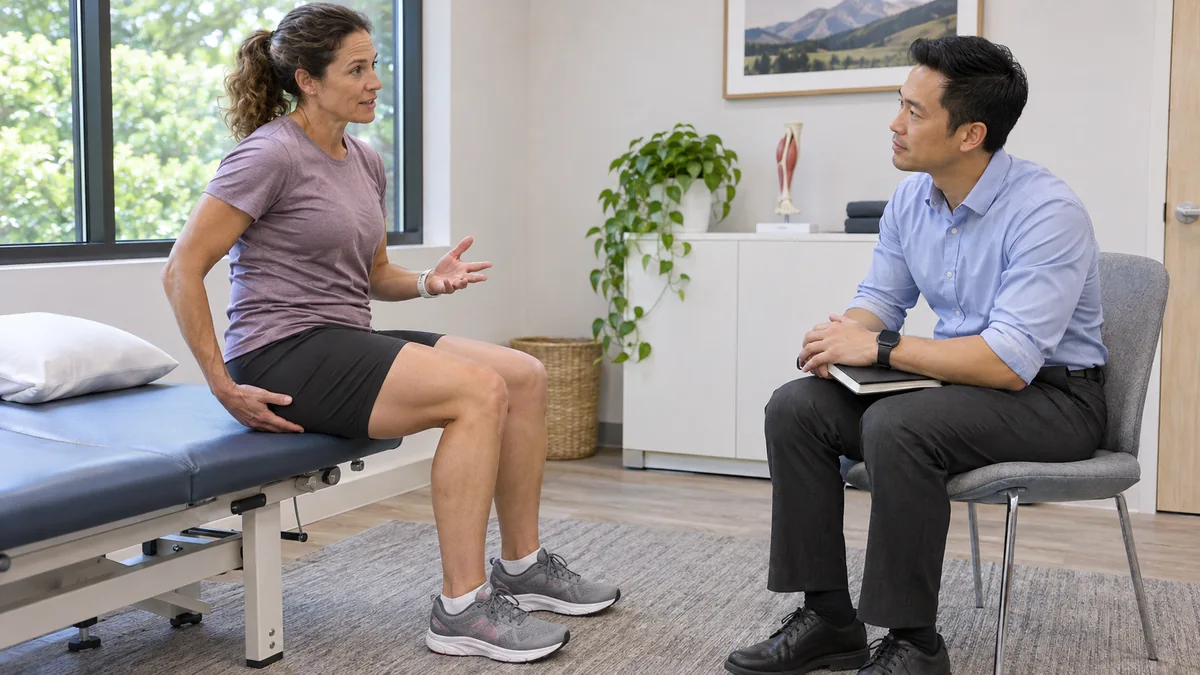
Does Acupuncture Help with Muscle Strain?
Yes. Acupuncture helps relieve pain during recovery from an assessed muscle strain. It makes daily movement and rehabilitation exercises more comfortable. Treatment fits your recovery plan and addresses pain, tension and restricted movement.
A strain is different from ordinary tightness or next-day soreness
A strain involves injury to muscle fibers or the muscle–tendon region, with severity ranging from a small injury to a major tear. The location, grade and recovery stage affect what load is appropriate.
Soreness after unfamiliar exercise, recurring myofascial tension and a diagnosed tear are different problems.
Traditional injury reasoning starts with the affected region
Traditional Chinese medicine discusses injury-related painful restriction in terms of the sinews, channels and qi-and-blood movement.
Traditional soft-tissue-injury teaching selects near the affected region and considers distant channel relationships. Point reasoning is explained around pain relief, easing restriction and movement comfort. traditional sprain and soft-tissue-injury teaching (Chinese)
The practitioner selects local points, distant points or both around the region, traditional findings, experience, preferences, skin condition, comfort and response. Areas and positioning are adjusted when the region is sensitive.
How Effective Is Acupuncture for Muscle Strain?
During muscle-strain recovery, acupuncture is used to relieve pain and improve movement comfort. Hospital clinical guidance describes its use for assessed injury-related pain and restricted activity, alongside rehabilitation tailored to the injury and movement findings.
Name what supportive care should make easier
For a recovering thigh strain, one goal might be less discomfort during a prescribed low-load exercise or an ordinary walk already permitted by the rehabilitation clinician. For another region, the relevant task will differ.
Pain relief and more comfortable movement can be coordinated with rehabilitation to build the required strength, range and task capacity progressively.
Is Acupuncture Backed by Science?
Yes. Professional education from Beijing Gulou Hospital of Traditional Chinese Medicine describes acupuncture for assessed sports-injury pain and restricted movement. AAOS guidance explains muscle-strain assessment and rehabilitation. Together they inform recovery care centered on comfortable activity. Study or professional source
What You Should Know Before Booking an Acupuncture Treatment
Your first visit covers:
- Your symptoms, diagnosis, medicines and activity goals.
- How acupuncture fits the care you already receive.
- The treatment plan and a comfortable position.
Bring relevant reports and a medicine list.
Coordinate the appointment with the current recovery stage
Tell the practitioner:
- When and how the injury happened, and its diagnosed location and grade.
- Your current exercises and loading restrictions.
- Any surgery and medicines.
The practitioner supports the injured area in a comfortable position suited to your stage of recovery.
Acupuncture and physical therapy can coordinate around the same symptom and functional goal. An initial single-service appointment is about 75–90 minutes; combining them takes somewhat longer. Retention and follow-up review are explained separately.
Continue exercises and loading according to rehabilitation instructions, with progression guided by pain, strength, range and task performance.
Choosing a method you can comfortably receive
Our main approach is manual acupuncture. We also offer:
- Electroacupuncture: electrical stimulation through needles.
- Ear acupuncture (auricular acupuncture): needles placed in the ear.
The practitioner chooses the approach around your goals, health and comfort.
Ear seeds use adhesive patches to hold small seeds or beads over ear points. Pressing them provides stimulation without needles. Tell the practitioner if the patches or pressure irritate your skin so they can be adjusted.
During the appointment and afterward
The practitioner reviews symptoms, diagnoses, medicines and the activities you most want to improve, then explains point selection, positioning and treatment using sterile single-use needles. Mild aching or heaviness can occur. Report sharp pain, dizziness or significant discomfort immediately so the practitioner can adjust treatment. The UCLH patient guide
Before treatment, report pregnancy, medicines affecting clotting, implanted electronic devices and any previous fainting during procedures. Continue prescribed medicines according to the medical plan. Temporary soreness, small bruises or drowsiness can occur; arrange a ride if drowsy. Seek medical assessment for persistent or significant symptoms.
Seek prompt medical review for a new pop, substantial loss of function, rapidly increasing swelling or bruising, or unexpected symptom changes. Acupuncture during recovery is coordinated with the rehabilitation plan. acupuncture service
How Do You Know If Acupuncture Is Working?
More comfortable everyday movements and greater ease with prescribed exercises are positive recovery changes. Reviewing pain and movement together helps coordinate treatment and activity.
Separate pain relief from readiness to resume sport
Compare the same permitted activity at follow-up:
- Pain and movement comfort.
- How the area feels the next day.
- Strength, range of motion and performance of the relevant task.
The team uses these findings to coordinate the next stage of recovery.
How to Get Acupuncture for Muscle Strain at Wongs Acupuncture
Wongs Acupuncture & Angel Alliance Physical Therapy offers acupuncture in Manhattan, Forest Hills, Great Neck. Contact the office that suits you, describe the main difficulty and any care already in place, and the team can confirm the appropriate service and appointment. If you plan to use insurance, the selected office can check benefits for the requested service.
Final Thoughts About Acupuncture & Muscle Strain
Acupuncture care for muscle strain can be planned around specific symptoms and everyday goals. Contact the most convenient clinic with the diagnosis, current care and the main concern you want to improve so the team can arrange consultation and continuing treatment.
Sources
OUR LOCATIONS
Choose a clinic.
Choose a convenient location to discuss your needs or arrange a visit.