
HEALTH JOURNAL
Facial Weakness and Bell’s Palsy: Acupuncture After Assessment
Ben Wong · · Updated
New facial weakness needs prompt medical assessment. Once the diagnosis and initial treatment are clear, recovery involves practical tasks: how to protect the eye, manage eating and speaking, follow medical advice and decide whether any complementary appointment fits the plan. A good consultation starts with those concrete needs and the care already in place.
Bell's palsy is one possible cause of facial weakness, but it should not be self-diagnosed from an online article. This guide explains how acupuncture fits a coordinated plan after assessment, keep useful recovery observations and communicate changes. It does not offer a home needling or facial-exercise prescription.
On this page
- Act on a new facial change promptly
- Understand what has actually been diagnosed
- Make eye protection a clear part of care
- Describe the activities affected by weakness
- Where an acupuncture discussion fits
- Understanding the actual procedure
- Keep medicine and product information together
- Use traditional explanations as explanations
- Keep recovery observations useful and manageable
- Discuss exercises with the right professional
- Make room for work and social concerns
- Review the plan as circumstances change
- Understanding the care plan
- Planning a Wongs Acupuncture & Angel Alliance Physical Therapy consultation
Act on a new facial change promptly
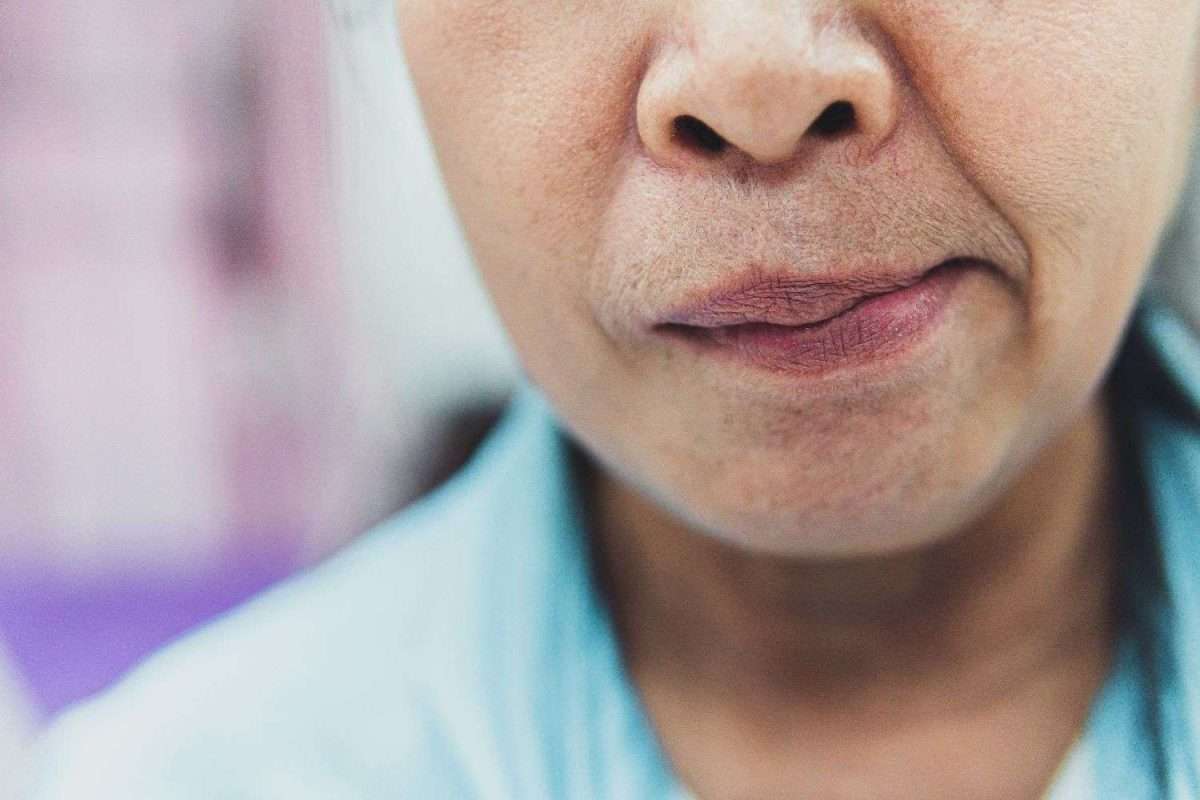
Sudden facial drooping is a stroke warning sign, especially with arm weakness, speech difficulty, vision or balance changes. Call 911 for a possible stroke; do not wait for a routine complementary appointment. The American Stroke Association warning signs do not require every symptom to occur together. Even a change that seems limited to the face needs urgent medical assessment. A previous episode does not establish the cause of a new one.
The AAO-HNSF Bell's palsy guideline recommends clinician-prescribed oral corticosteroids within 72 hours for patients 16 years and older, after assessment of suitability. This is a reason for prompt care, not a reason to wait until the end of that window. Tell the assessing clinician when the change began and how it developed.
The facial nerve helps control facial expression and eye closure, and also has roles in taste, tears, saliva and sound sensitivity. In Bell's palsy, it becomes inflamed or swollen along its narrow bony passage; the exact trigger is not always known. This helps explain why the problem may involve eating, eye protection and ear or taste symptoms together. The Mayo Clinic explanation describes these features. Other causes of facial weakness still need exclusion; forehead movement or the side affected is not a reliable home method for ruling out stroke.
Understand what has actually been diagnosed
Bring the medical diagnosis and the instructions you were given. Explain whether further investigation or follow-up is planned. If you have been told that a cause is still being considered, keep that question open rather than replacing it with a traditional pattern name or an assumption based on the side affected.
You may need clarification about medicines, eye care, activity or the timing of review. A complementary practitioner should work with that information, so the purpose of a proposed appointment is understood within the recovery plan.
Make eye protection a clear part of care
Incomplete eyelid closure exposes the eye surface to drying and injury. Lubricating drops or ointment help keep it moist; glasses or an individually instructed night-time protection method may protect it from scratches. The Mayo Clinic care guide describes these measures. Follow the eye clinician's product and protection instructions rather than copying a video. Do not independently apply heat, scraping, massage tools or needles around an eye that needs medical protection.
Bring eye pain, redness or a vision change to appropriate medical attention promptly. Tell any complementary practitioner about incomplete eye closure before discussing positioning or treatment. Acupuncture does not replace protection of the eye, and improvement in another facial task should not be used to decide that eye care is no longer needed.
Describe the activities affected by weakness
Explain what has become difficult: keeping fluids in the mouth, speaking clearly, closing the eye, washing the face or taking part in a familiar social activity. Distinguish weakness from pain or another sensation. Concrete descriptions help the clinician understand your main concern and how it affects the day.
A problem with swallowing, significant difficulty managing fluids or another new neurological symptom deserves medical advice. Do not assume that every difficulty should be addressed through the same complementary session.
Where an acupuncture discussion fits
Some people want to discuss acupuncture during recovery. Begin by sharing the diagnosis, onset, current medicines and medical instructions. It is reasonable to request a discussion before committing to treatment.
Acupuncture should not be presented as an established way to regenerate the facial nerve or guarantee complete recovery from Bell's palsy. A useful consultation can explain the actual proposed service, your preferences and any appropriate supportive role while medical follow-up continues. Keep claims about nerve recovery distinct from comfort during an appointment.
Understanding the actual procedure
Share the eye-protection instructions and any difficulty lying comfortably or communicating. Before needling, the practitioner explains the planned areas and obtains consent. Acupuncture may use points near the presenting concern and points elsewhere; a general consultation does not authorize every technique around the eye. Needles should be sterile and single use. A brief prick, dull ache, pressure or heaviness may occur; persistent sharp pain, eye discomfort or feeling unwell should be reported so treatment can be adjusted or stopped. Agree on a simple way to request a pause.
The NCCIH acupuncture guide describes general needling, safety and research on nerves and local tissues. Such mechanisms do not by themselves demonstrate facial-nerve regeneration. The Mayo Clinic procedure guide explains possible sensations and distant points. Our first-visit guide covers the usual appointment. Initial acupuncture visits are about 75–90 minutes including assessment; needle-retention time and the interval for reviewing changes are separate decisions, not the same 75–90 minutes.
Keep medicine and product information together
Bring prescribed medicines, eye preparations, supplements and any herbal products you use. Include the actual names, doses and schedule, and mention recent changes. If you were given a short course of medicine, bring the instructions rather than reconstructing the plan from memory.
A herbal proposal is a separate decision from acupuncture. Do not alter prescribed treatment to fit a complementary appointment. A traditional formula name does not determine whether the product is appropriate for your diagnosis, health history or recovery stage.
Use traditional explanations as explanations
TCM describes channels as traditional pathways relating body areas and uses Qi and blood to discuss functional support and nourishment. In this language, Wind refers to a sudden or changing disturbance, not proof that outdoor weather caused a nerve injury. The traditional aim of unblocking channels means addressing the assessed pattern; it is not a measurement of repaired nerve fibres. The Chinese Association of Chinese Medicine's facial-paralysis resource (Chinese) explains the historical framework and mixed Cold, Heat, Dampness or Phlegm descriptions.
The practical plan identifies the concern being addressed, why a method is proposed and what will be reviewed afterward. Facial function, eye protection and medical follow-up remain central. A traditional framework is not a direct measurement of nerve repair.
How the selected traditional pattern framework differs
A 2016 university-hospital teaching protocol (Chinese) uses six related groups. Wind-Cold adds cold sensitivity and body aching, leading to a warming and dispersing emphasis; Wind-Heat adds feverishness or thirst, leading to a Heat-clearing emphasis. The same facial weakness does not make those goals interchangeable.
Stasis emphasizes traditional impaired movement, with clues such as night-worse discomfort and a darker tongue. Phlegm-Damp emphasizes a turbid accumulation pattern, with nausea, chest fullness or a thick greasy tongue coating. Their traditional aims concern movement versus resolving that accumulation, rather than simply increasing stimulation.
Qi and blood weakness emphasizes reduced support and nourishment, with fatigue, dizziness or a pale tongue. Gallbladder-channel Damp-Heat adds Heat/Damp features such as bitter taste, ear complaints and a yellow greasy coating. The latter is not a diagnosis of anatomical gallbladder disease. New ear pain, fever or other changing symptoms need medical assessment rather than being absorbed into a pattern label.
Patterns can overlap and change during follow-up. A traditional explanation should identify the current combination, its proposed goal and what observations would change the plan. Different sources group patterns differently; these six are a named teaching framework, not six medically proven causes of Bell's palsy. A pattern name does not determine a safe product, home application or stimulation intensity for an individual.
Keep recovery observations useful and manageable
Choose a small number of everyday observations that your clinician considers relevant. Describe the task and the difficulty in the same way at review. Note whether eye closure, speaking or eating has changed, and report pain or unwanted movement separately. A short record is easier to maintain than repeatedly testing every facial movement throughout the day.
Do not use an online comparison or a single image to assign yourself a recovery grade. The aim is to support clinical assessment and communication, not to create pressure to show visible improvement at every appointment.
Discuss exercises with the right professional
General physical therapy availability does not establish that a clinic offers that specialty. The suitability of an exercise, amount of repetition or progression should follow an assessment of your particular presentation.
Avoid forceful facial routines assembled from online demonstrations. A professionally selected home plan includes demonstration, checking your version and response instructions. Unclear technique or a new movement pattern needs follow-up rather than more effort to speed recovery.
Make room for work and social concerns
Describe changes beyond the appearance of the face as well. Bell's palsy can be accompanied by altered taste, discomfort around the jaw or ear, and sensitivity to sound. Tell the treating clinician what you notice and whether it is new or changing. Keeping those observations separate can make the next assessment more useful than reporting only that one side still feels different.
Ordinary tasks may need practical coordination, such as using a prescribed eye product at work or assessing persistent difficulty eating. The appropriate advice depends on the actual concern and belongs in the medical recovery plan.
Facial weakness may affect how comfortable you feel speaking, eating with other people or returning to a public-facing task. Tell the clinician about the situation that matters to you. These concerns deserve discussion alongside physical function, without assuming that everyone experiences the same difficulty.
Practical support can include adjusting a difficult work task or identifying an appropriate resource for an ongoing facial-function concern. If the experience is affecting mood or confidence substantially, qualified mental-health support can be part of the broader recovery plan.
Review the plan as circumstances change
Before starting an optional service, agree on its purpose and a review point. At follow-up, bring changes in symptoms, medicines, medical instructions and daily activities. Include unwanted effects or difficulties with the appointment itself. That makes the next decision more useful than simply repeating the original schedule.
The medical recovery course and an optional acupuncture schedule are different timelines. The AAO-HNSF guideline calls for reassessment or specialist referral for new or worsening neurological findings, eye symptoms at any point, or incomplete facial recovery 3 months after onset. Do not wait 3 months when a new concern appears. Review eating, speaking, eye closure and unwanted movements separately; a temporary comfortable session cannot establish lasting nerve recovery. The optional schedule can be adjusted or stopped as findings, preferences or medical instructions change.
Understanding the care plan
The consultation uses the diagnosis, early treatment instructions and current eye-protection plan. An additional acupuncture visit has a defined purpose, and persistent facial-function difficulties may need separate specialist assessment. Changes are communicated to the medical team so recovery and eye care remain coordinated.
You can request more information or decline a proposed technique. A constructive consultation should help you understand the available choices while keeping prompt medical care, eye protection and appropriate follow-up at the center of recovery.
Planning a Wongs Acupuncture & Angel Alliance Physical Therapy consultation
See our acupuncture service page for office and practitioner information. When contacting the selected office, explain the medical diagnosis, symptom onset and any eye-care or treatment instructions. Confirm suitability and appointment arrangements before attending.
OUR LOCATIONS
Choose a clinic.
Choose a convenient location to discuss your needs or arrange a visit.