
HEALTH JOURNAL
Medical Massage and Deep Tissue Therapy: What to Expect
Ben Wong · · Updated
Medical massage is focused soft-tissue care organized around a particular concern, such as shoulder tension during desk work or back discomfort that makes everyday activity harder. The useful question is not simply how strong the massage feels. It is whether the approach is appropriate for your symptoms, whether the pressure is tolerable and whether a meaningful activity becomes easier afterward.
This guide explains medical massage, deep tissue techniques and sports massage terminology, what to discuss before treatment, and how to decide whether another visit is worthwhile. It also explains why massage should sometimes be adjusted, postponed or combined with a different assessment.
On this page
- What is medical massage?
- Therapeutic massage, Chinese massage and Tuina: what do the names mean?
- How is deep tissue massage different?
- Can massage help muscle tension or pain?
- Does deep tissue massage have to hurt?
- What should happen before the hands-on session?
- Who should discuss precautions or postpone deep pressure?
- What should you notice afterward?
- When might PT or acupuncture also be relevant?
- How many sessions should you book, and what about insurance?
What is medical massage?
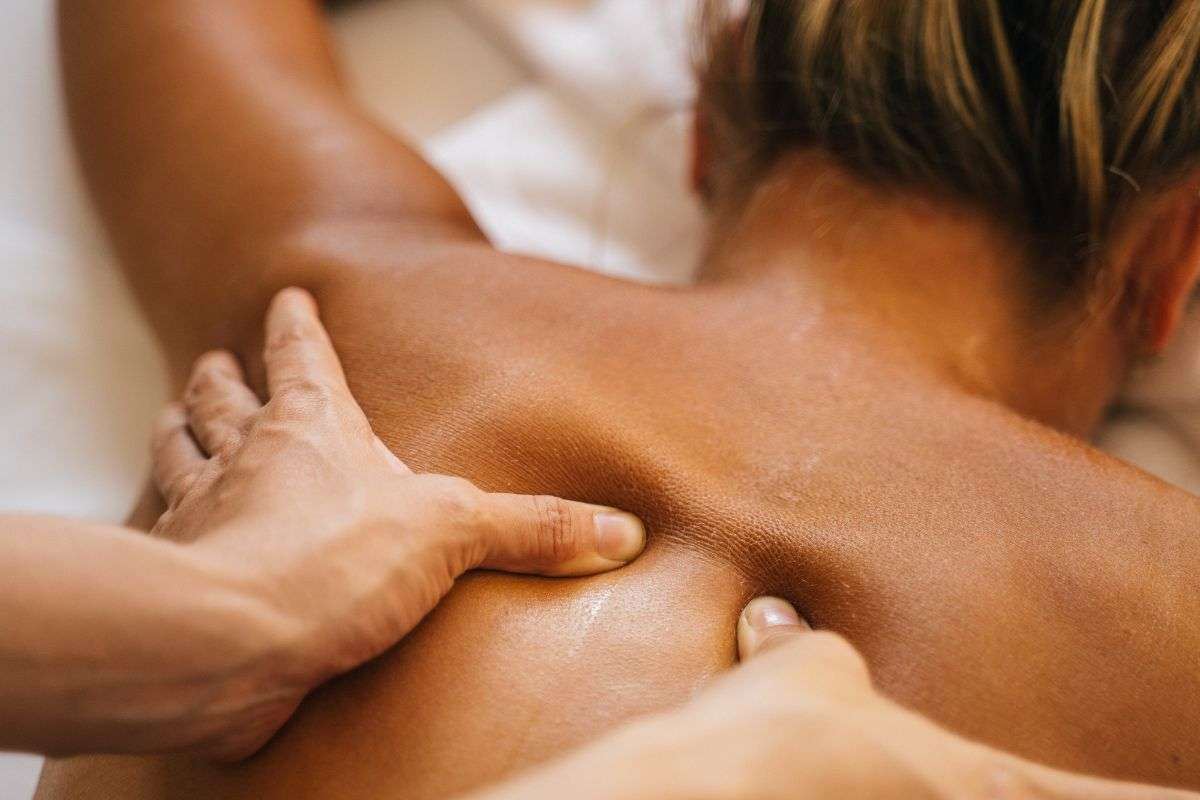
The term medical massage describes the purpose of care rather than one fixed sequence of movements. A session begins with a specific problem and a practical goal. For someone with desk-related shoulder discomfort, that might mean turning the head more comfortably or getting through a meeting with fewer interruptions. For another person, the concern might be tenderness after a recent increase in activity.
The National Center for Complementary and Integrative Health describes massage as manipulation of the body's soft tissues and distinguishes clinical, sports and other approaches. Those labels do not establish a diagnosis, guarantee an outcome or show that one technique is best for everyone.
A useful massage plan connects the hands-on work to the area and activity that are troublesome. Pressure and positioning follow the assessment and your comfort, while progress is compared with that original difficulty. Our medical massage service page explains the practice's appointment options.
Therapeutic massage, Chinese massage and Tuina: what do the names mean?
Therapeutic massage is a broad description of massage directed toward a person's comfort or health-related goal. It does not identify one standardized pressure, routine or treatment sequence. Someone seeking relaxation, someone with familiar muscle tension and someone discussing an assessed pain problem may want different sessions even when the same general label is used.
Tuina, also written tui na, is traditional Chinese manual bodywork. The NCCIH massage overview includes Tuina among massage traditions derived from Eastern cultures. It can involve pressure, kneading and movement selected for the assessed area. The broad phrase Chinese massage does not identify one fixed combination of techniques or pressure.
Medical massage, therapeutic massage and Tuina belong within Wongs Acupuncture & Angel Alliance Physical Therapy's confirmed massage service family. Their names can help you describe an enquiry, but the actual visit should still be organized around your preferences, relevant history and a clear purpose. Confirm any particular technique with the selected practitioner instead of assuming that every appointment uses the same sequence.
Evidence for massage generally does not prove that each named tradition has the same effect for every diagnosis. Likewise, choosing a relaxation-oriented goal does not require inventing an injury. Tell the office whether your priority is unwinding, easing familiar tension or discussing a defined symptom. That distinction makes the appointment request clearer without creating a separate treatment claim for every term.
How is deep tissue massage different?
Deep tissue massage generally means slower, more focused work on soft tissues. The practitioner may use a slow stroke, direct pressure on a selected area, or short friction movements across it. These describe how force is applied, not a requirement to reach a fixed depth or make you hurt. The National University of Health Sciences technique overview describes these movements. Their suitability still depends on the assessed area and your response.
Massage works with the skin and soft tissues, including muscle, tendon, ligament and fascia—the connective tissue around other structures. Broader rubbing or gliding and kneading that gently gathers tissue feel different from pressure concentrated on a smaller area. The aim may be comfort, easing familiar tension or making a chosen movement easier; one tender spot is not proof of an adhesion that must be broken. Describe pressure, stretch or tenderness as it happens, and pause for sharp pain, tingling or worsening discomfort.
Medical massage can use different techniques, including focused pressure when appropriate. It does not have to be deep throughout the session. Likewise, a whole-body massage is not automatically better than work concentrated on one region. The area, pressure and time spent should follow the assessment and your preferences, not the expectation that a more intense session must deliver a stronger result.
| Term you may see | What the service arrangement explains |
|---|---|
| Medical or clinical massage | Which symptom or activity goal the session will address and how response will be reviewed. |
| Deep tissue massage | Why focused pressure is proposed, how it will be adjusted and which areas need caution. |
| Relaxation massage | Whether the intended experience and pressure fit your comfort preferences and current health. |
| Sports massage | Whether the provider offers the specific activity-related service you need, rather than assuming the label means injury rehabilitation. |
Sports massage describes an activity-related context, not proof that a practitioner can diagnose every sports injury. A person returning to running may need a loading and strength plan as well as help with comfort. The definition is included here to explain the terminology; it is not a claim that a separate specialist sports-massage program is available at every office.
Can massage help muscle tension or pain?
Massage may be considered for symptom relief, but the answer depends on the condition and the comparison being made. Feeling more relaxed after a session is different from a durable improvement in walking, lifting or sleep. Before treatment, choose one symptom and one activity to observe so that the discussion is more useful than simply asking whether the massage was good.
In a randomized trial of 401 adults with nonspecific chronic low-back pain, both relaxation and structural massage improved symptoms and function more than usual care at 10 weeks. The two massage approaches did not differ meaningfully. Participants knew whether they received massage, and the findings do not show that deep pressure is superior or that every cause of back pain responds.
NCCIH's condition-specific summary describes possible short-term benefit for some neck and shoulder pain. This concerns defined symptom changes; general massage findings should not be presented as proof that a particular deep tissue technique cures chronic pain.
For treatment choices that depend on the painful region, read our neck and shoulder care guide or back-pain care guide. Neither a tender spot nor temporary relief establishes the underlying cause. Continuing symptoms may call for a broader assessment rather than repeated work on the same area.
Does deep tissue massage have to hurt?
No. Pain is not a requirement to accept treatment, and you do not need to endure a technique to prove that you are benefiting. Agree on a comfortable starting pressure and tell the practitioner when it should change. It is reasonable to prefer lighter work, a different position, a shorter period on one area or no treatment of a sensitive region.
Useful feedback is specific: describe whether you feel tolerable pressure, a sharp sensation, tingling or discomfort that continues after the hands move away. Pause the session rather than waiting until the end. The Mayo Clinic massage overview describes soft-tissue work, comfort and individual adjustments.
Some tenderness or soreness can occur afterward, but it is not a required sign of benefit. Report its location, duration and effect on your normal activity before deciding on another session. New swelling, unusual bruising, persistent tingling, weakness or increasing pain calls for appropriate medical advice rather than stronger pressure over the same area.
You can overdo massage in the practical sense that more pressure or repeated work can leave an area less comfortable. Do not use soreness or bruising as the score for a successful appointment. If a session makes ordinary activity harder, that is important feedback for adjusting or reconsidering the plan, not a reason to insist on an even stronger treatment next time.
What should happen before the hands-on session?
Prepare a brief account of the problem: where it is, when it started, what brings it on and what you have already tried. A concrete description such as difficulty looking over your shoulder while driving gives the practitioner a useful starting point. Mention changes in symptoms and relevant medical or surgical history, rather than assuming that information only matters at a physician's appointment.
Before the hands-on session, the care arrangement should explain these points:
- The treatment area: which regions will be worked on and which should be avoided.
- Comfort and consent: positioning, clothing or draping, pressure preferences and how to request a pause.
- The goal: a particular symptom or task to compare, without promising that one session will resolve it.
- The follow-up: what changes to report and when another assessment would be more appropriate.
Confirm massage appointment length directly with the office. Wongs Acupuncture & Angel Alliance Physical Therapy's approximately 75–90-minute initial appointment information applies to acupuncture or physical therapy; it should not be assumed to describe every massage booking.
Who should discuss precautions or postpone deep pressure?
A health history is especially important when you take blood-thinning medicines, have a bleeding disorder, recent surgery, a fracture, fragile bones or a skin wound in the treatment area. Pregnancy and cancer treatment also require a discussion of appropriate positioning, regions and pressure. Some situations require modification; others require medical clearance or postponement. The Mayo Clinic safety guidance explains why the same approach is not suitable for every person.
NCCIH reports that serious harms are uncommon but have occurred, including nerve injuries, fractures and blood-clot-related problems; some reports involved vigorous techniques or people more vulnerable to injury. A known or suspected clot is not an area to massage. Do not use a massage appointment to investigate unexplained swelling or a new neurological problem. These risks are reasons for screening and appropriate care, not evidence that stronger pressure is more effective.
A suspected acute muscle strain needs a different decision from familiar muscle tension. If discomfort followed a sudden injury, especially with swelling, bruising or loss of function, arrange an appropriate assessment before deciding on direct pressure. This guide does not prescribe massage for a newly torn muscle or replace an injury-specific rehabilitation plan.
What should you notice afterward?
Compare your original concern, not just the feeling of having received treatment. Can you turn more comfortably? Does the usual desk task feel different? Has the change lasted beyond the appointment? Also record unwanted effects and any other changes, such as a new workout or medicine, that could influence the result.
Do not immediately increase your usual training or work demands simply because an area feels easier. Discuss how to resume the activity that matters to you, especially if it has been limited for some time. For exercise-related soreness, our muscle soreness and recovery guide explains a different patient problem from choosing massage for persistent tension.
| Observation | A useful note for the next discussion |
|---|---|
| Target activity | Which task you tried and whether it became easier, stayed the same or became harder. |
| Duration | Whether any change lasted only briefly or was still noticeable in your normal routine. |
| Unwanted response | The location, timing and nature of any new discomfort or unusual symptom. |
| Next decision | Continue with a clear goal, change the technique or seek a different assessment. |
When might PT or acupuncture also be relevant?
Hands-on symptom relief and rebuilding capacity are different tasks. If stairs, lifting or exercise remain difficult because of strength, balance or movement limitations, discuss physical therapy. A practical home program can give you something specific to work on between appointments; our mobility and home-exercise guide explains that process.
Acupuncture consultation is another option to discuss for a pain concern. Its appropriateness and supporting evidence depend on the condition, so offering a consultation is not a promise that it treats every cause of pain.
Tell each practitioner about the care you already receive and agree on a shared activity goal. Adding services without knowing what each is intended to accomplish makes progress harder to evaluate. Same-day services need their own confirmed sequence and time rather than an assumption that all are included.
How many sessions should you book, and what about insurance?
The initial assessment and follow-up each have a defined purpose. The number of visits follows the concern, response and review plan. Keep the schedule proportionate to the useful change you notice and the time involved.
Some health insurance plans may cover massage for medical purposes. Please send your insurance information to your preferred office so the team can check the benefits for your requested massage service.
Wongs Acupuncture & Angel Alliance Physical Therapy offers medical massage, acupuncture and physical therapy in Manhattan, Forest Hills and Great Neck. Use the clinic cards below to contact a convenient office, explain your concern and confirm the appropriate appointment.
Choose massage by your needs
Understand the names and pressure, then choose by the activity and treatment experience you want to address. These guides cover the session and the differences between labels.
OUR LOCATIONS
Choose a clinic.
Choose a convenient location to discuss your needs or arrange a visit.