
HEALTH JOURNAL
Acupuncture for Menstrual Cramps
Ben Wong · · Updated
Acupuncture is used to help relieve primary menstrual cramps, focusing on period pain and its effects on study, work and rest.
Dysmenorrhea is commonly called period pain or menstrual cramps. Research here mainly concerns primary dysmenorrhea; secondary pain associated with conditions such as endometriosis follows the gynecological diagnosis.
On this page
- Does Acupuncture Help with Menstrual Cramps?
- How Effective Is Acupuncture for Menstrual Cramps?
- Is Acupuncture Backed by Science?
- What You Should Know Before Booking an Acupuncture Treatment
- How Do You Know If Acupuncture Is Working?
- How to Get Acupuncture for Menstrual Cramps at Wongs Acupuncture
- Final Thoughts About Acupuncture & Menstrual Cramps
- Sources
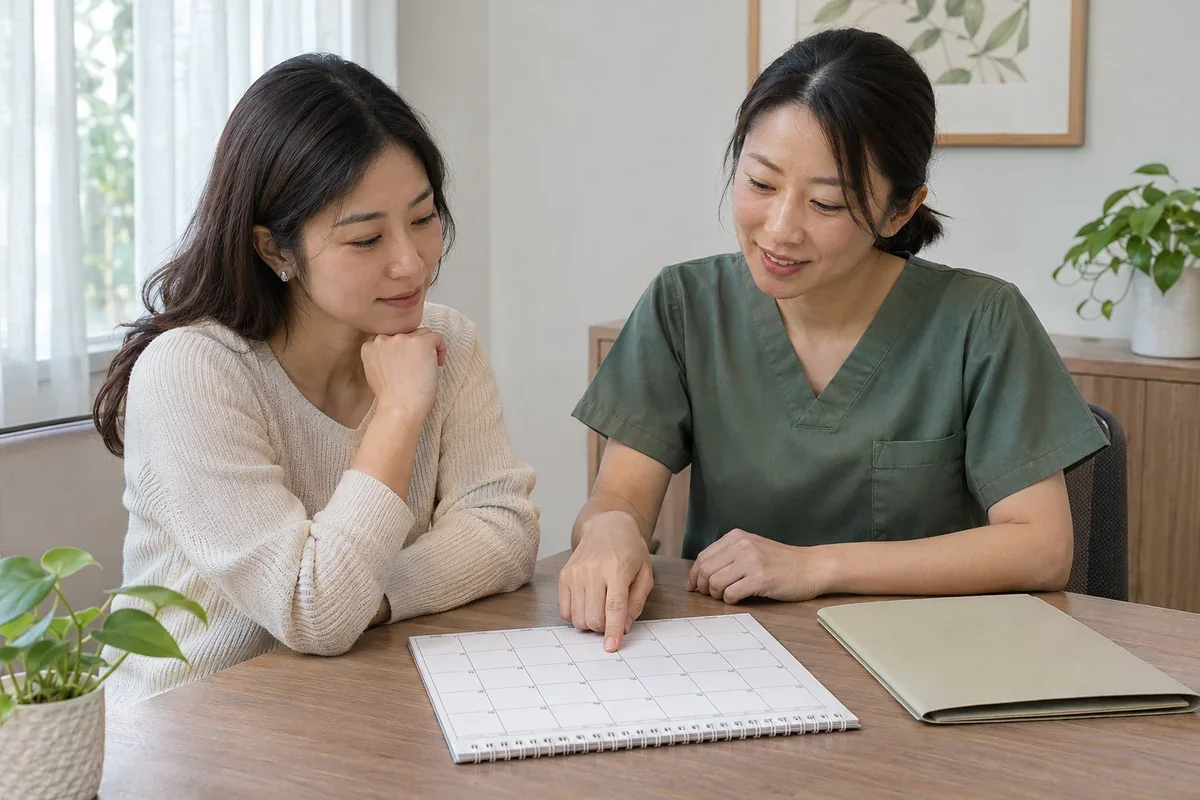
Does Acupuncture Help with Menstrual Cramps?
Yes. Acupuncture is used to help relieve primary menstrual cramps, focusing on period pain and its effects on study, work and rest. Point selection considers the cycle pattern, pain qualities and associated symptoms.
Why primary menstrual cramps occur
Primary dysmenorrhea is period pain without another pelvic condition explaining it. The uterus makes chemicals called prostaglandins that help its muscles tighten and relax. Higher prostaglandin activity can cause cramps.
Pain can begin a day or two before bleeding and last several days. Back pain, nausea or diarrhea can occur too, affecting work, study and rest. Source
The useful starting point is the pattern: when the pain begins, how long it lasts, whether bleeding has changed and what it prevents you from doing.
The traditional model separates obstruction from inadequate nourishment
Traditional Chinese medicine organizes the pain pattern around two ideas: impaired movement, often called “pain from obstruction,” and inadequate support or nourishment, called “pain from lack of nourishment.” Qi and blood describe functional activity and nourishment in this model. The uterus is discussed as baogong, with Chong and Ren referring to traditional pathways associated with menstruation and reproduction.
This framework connects pain timing, character and associated symptoms, helping explain the differing emphasis on warming, regulating or nourishing. Traditional explanation
How traditional distinctions can change the treatment aim
Cold-type patterns can share pain that feels better with warmth. A cold-damp obstruction pattern emphasizes cold-associated stagnation; a yang-deficiency pattern emphasizes insufficient warming support, often with pain during or after the period and a more depleted picture. The traditional aims therefore differ between warming to ease obstruction and supporting the warming function as well. Traditional distinctions
Two movement-related patterns have different features:
- Qi stagnation with Blood stasis: distending or fixed pain, sometimes with breast tension before the period and dark, clotted flow. The aim is to promote movement.
- Damp-Heat stasis: burning discomfort with increased or yellowish discharge. The aim includes addressing Damp-Heat and easing stagnation.
Qi–Blood deficiency can involve a dull ache around or after bleeding with fatigue, dizziness and lighter flow, emphasizing support and nourishment. A Liver–Kidney deficiency pattern adds lower-back or knee soreness through the traditional functional-system relationship. Nourishing and movement-related aims can be combined. Pattern examples
Sources group these patterns differently: some describe broad causes, while others separate cold obstruction from deficient warming. The purpose here is to explain why symptoms that look similar can lead to different traditional reasoning, not to assign a personal diagnosis.
Point selection and modern pain research are separate explanations
Traditional explanations use channels, Qi, Blood and symptom patterns to describe points and treatment aims. Modern research examines sensory input, nervous-system responses and local tissue effects. Both help explain care focused on pain and activity.
Traditional descriptions use points such as Zhongji, Guanyuan and Sanyinjiao, combining abdominal and more distant regions according to the assessed pattern. “Regulating qi and blood” explains the traditional aim of that selection. Traditional point-selection framework
Modern research asks different questions about nervous-system effects, local tissues and contextual influences such as expectations and the practitioner relationship. Source
Connecting a point example with the menstrual pattern
The traditional teaching describes Qihai in terms of regulating qi and moving blood, Taichong in terms of easing Liver constraint, and Sanyinjiao in terms of coordinating qi and blood. For someone whose assessed pattern includes distension before bleeding, this explains why a movement-focused rationale might be discussed. Traditional menstrual-pain teaching (Chinese) and Sanyinjiao reference (Chinese).
The practitioner selects local points, distant points or both according to symptoms, traditional findings, experience, comfort and response, adjusting across subsequent cycles as care progresses.
How Effective Is Acupuncture for Menstrual Cramps?
Clinical research in primary dysmenorrhea has recorded improved menstrual pain during treatment. In a 74-person trial comparing acupuncture schedules, participants reported less pain over subsequent cycles. Care focuses on a more comfortable period and fewer interruptions to activity.
Keep symptom goals connected with appropriate medical care
A useful goal is fewer hours when cramps interrupt work, study or sleep. At similar cycle stages, compare:
- Pain intensity and duration.
- Time spent resting because of cramps.
- Pain medicine use and any bleeding changes.
A brief record is enough to make the changes clearer at follow-up.
Heat, appropriate movement and medicines have their own roles. MedlinePlus explains that NSAIDs—nonsteroidal anti-inflammatory drugs—reduce prostaglandin production and effects as well as pain. Hormonal treatments can also be medical options for primary dysmenorrhea. Source
Is Acupuncture Backed by Science?
Yes. An exploratory study of 74 people compared manual and electroacupuncture schedules and recorded reduced period pain over subsequent cycles. It assessed pain, quality of life and medication use, linking treatment goals to the experience of menstruation. Study or professional source
What You Should Know Before Booking an Acupuncture Treatment
Your first visit covers:
- Your symptoms, diagnosis, medicines and activity goals.
- How acupuncture fits the care you already receive.
- The treatment plan and a comfortable position.
Bring relevant reports and a medicine list.
Secondary pain needs a different decision
Secondary dysmenorrhea is related to another pelvic condition. Endometriosis involves tissue similar to the uterine lining outside the uterus; fibroids are benign growths in or around the uterine wall. The gynecological team manages the underlying condition, with acupuncture planned around pain and daily impact. Period-pain types Endometriosis definition Fibroid definition
Seek gynecological assessment for newly worsening pain, pain outside periods or fever. With an existing diagnosis such as endometriosis, treatment goals and review are coordinated with the corresponding medical plan. endometriosis symptoms and evaluation guide
What treatment may feel like and what can change
An assessment precedes treatment, with a supported position and fine, sterile, single-use needles. A brief prick or mild dull ache may occur. Manual stimulation and electrical stimulation are different approaches; their use depends on the plan and relevant health information. A general procedure description explains insertion, possible stimulation, retention and removal. Procedure overview
Report sharp or increasing pain, dizziness or significant discomfort immediately. The practitioner adjusts positioning, stimulation or approach to support comfort.
Visit time, retention and reviewing a menstrual pattern
An initial acupuncture or physical therapy appointment is about 75–90 minutes, including assessment and preparation; combining the services takes somewhat longer. The practitioner explains retention time for the selected approach separately. acupuncture
The practitioner schedules care around the cycle pattern and main symptoms and agrees when to review subsequent cycles. Review focuses on pain intensity, duration and improvements in work, study and sleep.
Choosing a method you can comfortably receive
Our main approach is manual acupuncture. We also offer:
- Electroacupuncture: electrical stimulation through needles.
- Ear acupuncture (auricular acupuncture): needles placed in the ear.
The practitioner chooses the approach around your goals, health and comfort.
Ear seeds use adhesive patches to hold small seeds or beads over ear points. Pressing them provides stimulation without needles. Tell the practitioner if the patches or pressure irritate your skin so they can be adjusted.
Which changes need prompt medical care?
Pain that suddenly becomes worse, occurs outside periods, or comes with fever or unusual discharge needs medical assessment. Sudden severe pelvic pain or fainting calls for urgent care. Possible pregnancy with concerning pain or bleeding also requires prompt assessment, even without a positive test. These patterns must not be folded into an unchanged routine needling course. Medical contact guidance Pregnancy-related symptoms
How Do You Know If Acupuncture Is Working?
Less pain at the same cycle stage, shorter periods of activity disruption and easier study or work are practical improvements. A brief record of pain and medicines helps plan treatment for subsequent cycles.
Reassess changes and separate urgent problems
At follow-up, compare pain and daily activity at similar cycle stages to refine continuing care. Report possible pregnancy, bleeding changes and medicines to support coordination with the medical team.
How to Get Acupuncture for Menstrual Cramps at Wongs Acupuncture
Wongs Acupuncture & Angel Alliance Physical Therapy offers acupuncture in Manhattan, Forest Hills, Great Neck. Contact the office that suits you, describe the main difficulty and any care already in place, and the team can confirm the appropriate service and appointment. If you plan to use insurance, the selected office can check benefits for the requested service.
Plan around the assessed menstrual-pain pattern
Wongs Acupuncture & Angel Alliance Physical Therapy offers acupuncture in Manhattan, Forest Hills and Great Neck. The consultation can connect the assessed menstrual-pain pattern with a practical symptom goal, coordinate with medical care and define when the response will be reviewed.
Final Thoughts About Acupuncture & Menstrual Cramps
Acupuncture care for menstrual cramps can be planned around specific symptoms and everyday goals. Contact the most convenient clinic with the diagnosis, current care and the main concern you want to improve so the team can arrange consultation and continuing treatment.
Sources
- Period Pain — MedlinePlus
- 痛经的中医辨证与调理 — 北京市中医药管理局科普
- 痛经辨证 — 中华中医药学会科普标准知识库
- Acupuncture: What You Need To Know — NCCIH
- 痛经 - 针灸学-下
- 三阴交穴_三阴交穴的效果作用| 中国医药信息查询平台
- Acupuncture for primary dysmenorrhea — 2017 exploratory randomized trial
- Endometriosis — MedlinePlus
- Uterine Fibroids — MedlinePlus
- Acupuncture - Mayo Clinic
- Menstrual Pain — MedlinePlus Medical Encyclopedia
- Ectopic Pregnancy: Symptoms — NHS
OUR LOCATIONS
Choose a clinic.
Choose a convenient location to discuss your needs or arrange a visit.