
HEALTH JOURNAL
Medical Massage in Manhattan, Forest Hills & Great Neck
Ben Wong · · Updated
Wongs Acupuncture & Angel Alliance Physical Therapy offers medical massage in Manhattan, Forest Hills, Queens and Great Neck, Long Island. A visit can focus on a specific area of muscle tension or discomfort. Start with your goals, relevant health history and a pressure you find comfortable so the session can be planned around your needs.
On this page
- Medical massage at three Wongs Acupuncture & Angel Alliance Physical Therapy clinics
- Medical and therapeutic massage in Forest Hills
- Describe the problem before the session
- Agree on pressure and a useful goal
- When PT or acupuncture may be relevant
- What medical massage means for your visit
- Understand massage terminology before choosing a style
- Understanding therapeutic massage or Tuina in plain language
- Describe the pattern, not only the painful point
- Use a body-area description that the practitioner can act on
- Agree on pressure in plain language
- Positioning, products and privacy are part of the discussion
- Choose a meaningful measure of progress
- Coordinate massage with a movement plan when needed
- Plan the period after the session
- Choose Manhattan, Forest Hills or Great Neck
- Appointments and practical arrangements
- Sources and further reading
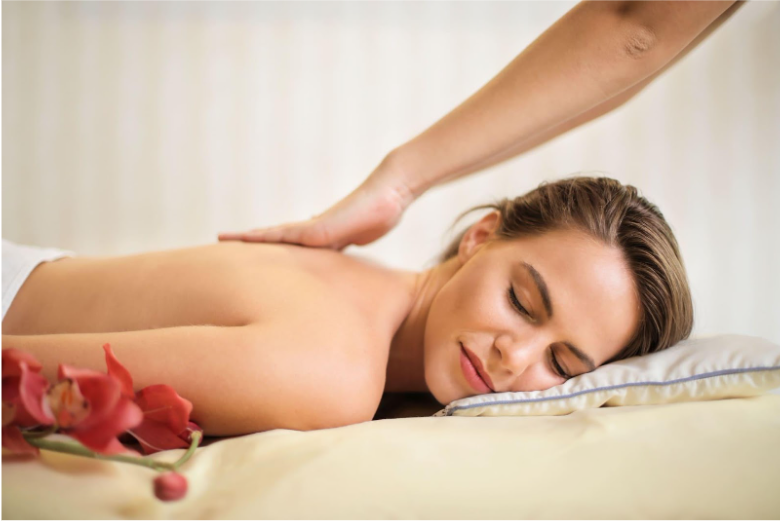
Medical massage at three Wongs Acupuncture & Angel Alliance Physical Therapy clinics
Medical and therapeutic massage in Forest Hills
For medical massage in Forest Hills, use our Queens clinic as your local contact. If you are looking for therapeutic massage in Forest Hills, tell the office whether your priority is familiar muscle tension, relaxation or a particular activity-related concern. Manhattan and Great Neck provide other convenient options within the same practice.
Describe the problem before the session
Tell the practitioner where symptoms occur, what activities provoke them and whether you have numbness, weakness, a recent injury or surgery. A swollen or unexplained painful area may need medical assessment before massage. Mention blood-thinning medicine, pregnancy, fragile skin or osteoporosis.
Agree on pressure and a useful goal
Focused soft-tissue work may help some people with short-term pain or tension. It is not a substitute for diagnosing persistent pain. Agree on a goal such as easier neck turning or tolerating a workday, and report sharp pain, tingling or excessive pressure immediately.
When PT or acupuncture may be relevant
If movement, strength or balance is a main limitation, consider a physical therapy assessment. Acupuncture consultation is a separate pain-care option. The team can coordinate appointments when appropriate, with a clear purpose for each service.
What medical massage means for your visit
Medical massage is focused soft-tissue work organized around a particular concern. The useful distinction is the goal and the assessment that guides it, rather than a promise of maximum pressure. Tell the practitioner whether you want help with a familiar tense area, discomfort during an activity or another specific problem.
The plan should identify the area, the proposed techniques and the responses to report. Gliding or kneading works over a broader region; selected pressure focuses on a smaller area. The immediate aim may be less familiar muscle tension or greater comfort in movement, not the strongest possible sensation. Mayo Clinic’s massage information describes the soft tissues involved and the need to adjust pressure and positioning. A localized request can still require a broader history; massage does not have to cover the whole body to be useful.
The NCCIH massage overview describes massage as manipulation of soft tissues and notes that it may provide short-term help for some neck or shoulder pain. This supports discussing an appropriate symptom goal, rather than promising that massage will correct every underlying cause.
Understand massage terminology before choosing a style
Clinical or medical massage describes a goal-directed context; deep tissue describes an approach to pressure and tissue work. Swedish massage is a common Western or classical massage tradition, as the NCCIH overview explains. These terms do not by themselves identify the cause of pain or select the right pressure. Explain the concern and discuss the actual technique rather than choosing the strongest-sounding label.
Sports massage can mean preparation, recovery or work with a specific activity-related complaint. If you are asking about a sports need, describe the sport, training pattern and problem. A general massage listing should not be interpreted as confirmation of every specialist sports service.
Lymphatic drainage is another distinct enquiry. Do not assume that a medical massage appointment includes a specialist technique or management of unexplained swelling. State the request and confirm the relevant assessment, provider and actual service before booking.
Understanding therapeutic massage or Tuina in plain language
Therapeutic massage and Chinese massage can mean different expectations about relaxation, pressure or focused bodywork. Tuina, also spelled tui na, is a Chinese manual-bodywork tradition. It can include rolling, kneading, pressing and pushing movements selected for the region and person, as Jiangxi University of Chinese Medicine’s forum explanation (Chinese) describes. In its traditional framework, the practitioner may relate selected regions or points to meridian pathways and the movement of qi and blood, with the aim of easing a constrained pattern. This is traditional reasoning, not proof that a blood vessel is blocked. The name alone does not prescribe a sequence or mean that every practitioner uses each technique.
These names are within Wongs Acupuncture & Angel Alliance Physical Therapy's confirmed massage service family. Still confirm the actual technique with the selected practitioner. The useful question is what will happen during your appointment, which area will be addressed and how comfort will be communicated. A general listing does not establish every practitioner's technique or current appointment schedule.
For definitions and evidence, use the general massage guide. This guide helps you choose a convenient clinic, communicate your massage goals and prepare for your visit.
Describe the pattern, not only the painful point
Explain when discomfort begins and which activity makes it noticeable. Sitting at a desk, carrying groceries and returning to exercise pose different demands. Say whether symptoms remain in one place or spread, and whether the pattern has changed. A short timeline is more useful than deciding on your own which muscle must be responsible.
Include what you have already tried and what happened afterward. If a previous massage felt helpful for several hours but symptoms returned during the same task, say that. If pressure was uncomfortable or left you unable to do your normal activities, mention that too. The next session can be discussed using that information.
Bring relevant medical advice after an injury or procedure. A familiar massage appointment should not become a reason to overlook a new or unexplained change.
Use a body-area description that the practitioner can act on
Rather than saying only that your whole back is tight, explain the area that most interrupts the day and the activity involved. You can point to the location without naming a muscle. Say whether you also have a second concern so the available session time can be discussed realistically.
For example, a hypothetical desk worker may describe tension that starts late in a work period, while a recreational athlete may describe a response after a particular activity. These are different histories, not evidence of the same diagnosis. The practitioner uses the history and assessment to discuss the plan.
If another clinician has identified a condition, bring the name and restrictions. If you have not been assessed, avoid turning an online muscle diagram into a diagnosis. The session should be organized around the actual concern and the appropriate scope of care.
Agree on pressure in plain language
Pressure should be discussed throughout the session. You do not need to tolerate sharp pain, tingling or an unpleasant sensation to demonstrate that treatment is working. Say whether the pressure feels comfortable, too intense or different from what you expected. The practitioner can adjust or stop the technique.
Describe your preference rather than relying only on labels such as deep tissue. People can mean different things by the same term.
If you find it difficult to speak up once the session starts, agree on a simple check-in beforehand. You can also tell the practitioner that you prefer gradual changes in pressure. Clear communication helps the session stay within the plan you accepted.
Positioning, products and privacy are part of the discussion
Tell the practitioner if lying face down, turning your head or holding one position is difficult. A comfortable setup matters when the goal is to address a tense area without creating discomfort somewhere else.
If you prefer an unscented product or are unsure about a particular ingredient, raise the question before application. Aromatherapy is a separate preference and should not be assumed to be part of every medical massage.
If a proposed area does not fit your expectations, pause to discuss it. Consent and a clear explanation remain part of the visit even when you have had massage before.
Choose a meaningful measure of progress
Pick an everyday activity connected to the concern. For neck tension, you might describe comfort during your usual desk session. For a shoulder complaint, you might note how a routine reach feels. The example is a way to organize observations, not an exercise prescription or a prediction about the result.
Record how you feel immediately afterward and during the next ordinary activity. Include how long any helpful change lasts. This helps distinguish a relaxing treatment experience from a change that carries into your day, both of which can be discussed at follow-up.
Keep the record brief enough to maintain. A sentence about the activity, the response and its duration may be sufficient. If symptoms are unchanged or worsening, tell the practitioner so the next recommendation can be reconsidered.
Coordinate massage with a movement plan when needed
When the main difficulty involves strength, balance or returning to a task, a physical therapist can assess that movement goal. Massage and PT have different roles.
If you have a home exercise plan, tell the massage practitioner what it involves and any restrictions the therapist has given you. Share your response with the PT as well. This helps the team discuss how comfort, movement practice and activity progression fit together.
An acupuncture consultation can also be considered for an appropriate pain concern. If you want appointments on the same day, contact your preferred office to discuss the sequence and timing. Booking one service does not automatically include the others.
Plan the period after the session
Mention if you have a demanding workout, long journey or physically heavy shift planned. Follow individualized advice rather than treating a generic online recovery routine as mandatory.
If you notice discomfort after massage, describe its location, intensity and effect on activity. Significant new pain, weakness or another concerning change needs appropriate assessment. Our massage aftercare guide explains how to distinguish a routine follow-up question from symptoms needing prompt care.
At the next appointment, discuss the full response rather than requesting the same pressure automatically. The purpose is to refine the plan around your experience. A session that felt too intense can be adjusted; more soreness is not a goal you need to pursue.
Choose Manhattan, Forest Hills or Great Neck
Choose the clinic that fits your regular travel and schedule. Medical massage is available at all three Wongs Acupuncture & Angel Alliance Physical Therapy offices: Manhattan, Forest Hills in Queens, and Great Neck on Long Island. Contact the office directly to discuss your preferred appointment time and the massage service you want.
Some health insurance plans may cover massage for medical purposes. Please send your insurance information to your preferred office so the team can check the benefits for your requested massage service.
Save the actual address and check current directions from your starting point. The Forest Hills clinic serves patients traveling from surrounding Queens communities, but those names do not represent additional offices. The medical massage service page provides the broader service overview and other actual clinic options. The Forest Hills office is at 116-21 Queens Blvd; mention an access need before traveling.
Appointments and practical arrangements
Is medical massage the same as aromatherapy massage?
No. Specify whether you want focused medical massage or a relaxation-oriented aromatherapy appointment. Oils, pressure and the purpose of the visit should be discussed.
How long should I book?
The approximately 75–90-minute initial-visit information applies to acupuncture and PT, not every massage appointment.
Sources and further reading
OUR LOCATIONS
Choose a clinic.
Choose a convenient location to discuss your needs or arrange a visit.