
HEALTH JOURNAL
Acupuncture for Anxiety and Stress
Ben Wong · · Updated
Acupuncture can reduce anxiety symptoms and ease tension, helping everyday activities feel more manageable.
Everyday stress often follows work or life events. Anxiety disorders are assessed from the persistent pattern and impact on life. This page also addresses accompanying sleep and depression-related concerns separately.
On this page
- Does Acupuncture Help with Anxiety and Stress?
- How Effective Is Acupuncture for Anxiety and Stress?
- Is Acupuncture Backed by Science?
- What You Should Know Before Booking an Acupuncture Treatment
- How Do You Know If Acupuncture Is Working?
- How to Get Acupuncture for Anxiety and Stress at Wongs Acupuncture
- Final Thoughts About Acupuncture & Anxiety and Stress
- Sources
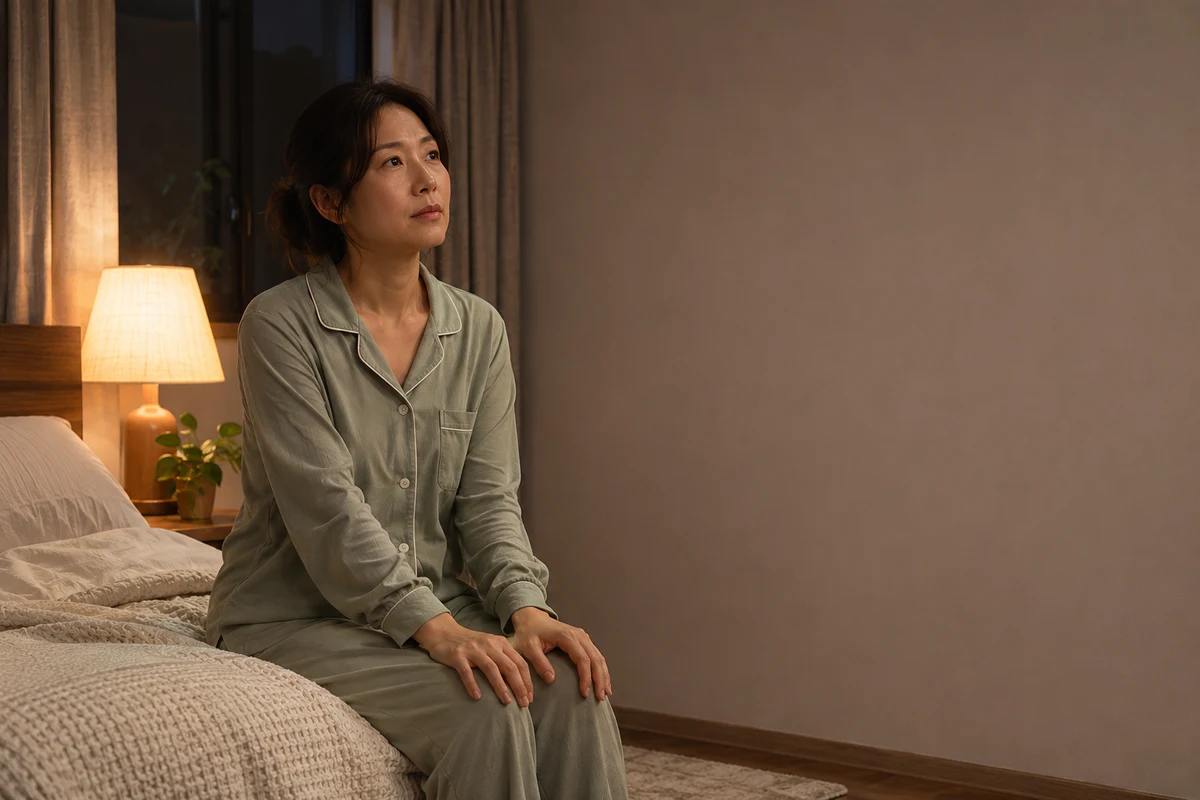
Does Acupuncture Help with Anxiety and Stress?
Yes. Acupuncture can reduce anxiety symptoms and ease tension, helping everyday activities feel more manageable. Treatment considers worry, sleep, mood and accompanying physical symptoms when choosing a calming or regulating approach.
This guide explains research on acupuncture for anxiety, how stress differs from an anxiety disorder, and what to discuss when insomnia or depression is also present. It also puts traditional Chinese medicine terminology in context.
Start with the problem that is affecting your life
Start by describing how worry, tension or sleep affects daily life. Stress often follows work, family or health demands; anxiety can persist even without an immediate threat. Professional assessment considers the pattern and impact when planning care. National Institute of Mental Health explains the distinction between stress and generalized anxiety disorder
Bring an example of what has changed. Perhaps you repeatedly leave meetings because of worry, avoid a normal journey, or spend much of the night thinking about the next day. The goal is to make the next decision specific enough to evaluate.
Describe sleep difficulties separately: taking a long time to fall asleep, waking often or waking earlier than intended. A sleep or mental-health assessment considers contributing factors. Acupuncture fits alongside that plan.
How does acupuncture support relaxation?
Acupuncture provides sensory stimulation that engages nervous-system processing, while comfortable positioning and clear communication help patients relax. The practitioner connects the planned points with goals such as easing tension, settling worry and improving sleep.
Relaxation can mean less physical tension, feeling more settled during treatment or fewer interruptions from worry in daily activity. Naming the main concern helps tailor the plan to everyday needs.
Follow-up reviews improvements in worry, physical tension, sleep and daily activity alongside counseling, medicines and routines to refine the next stage of care.
Can acupuncture help anxiety and depression together?
Anxiety and low mood can be addressed within a coordinated plan, with separate attention to worry, interest, sleep and self-care. Acupuncture studies have recorded symptom improvement in both anxiety and depression research, and care is coordinated with the existing mental-health plan. 988
When sleep is the main difficulty
When sleep is the main difficulty, acupuncture can focus on falling asleep, nighttime waking and daytime well-being. Long-term insomnia care can also include cognitive behavioral therapy for insomnia, or CBT-I, a structured approach to sleep-related thoughts, behaviors and the association between bed and sleep. NHLBI identifies cognitive behavioral therapy for insomnia, or CBT-I, as the usual first treatment option
A short sleep record can include:
- Bedtime, estimated time to fall asleep, awakenings and rising time.
- How you feel the next day.
- Naps, caffeine, medicines, pain and breathing symptoms.
Tell your sleep-care clinician about loud snoring, witnessed breathing pauses or marked daytime sleepiness.
Track those concerns separately.
How to interpret a TCM pattern explanation
In traditional Chinese medicine, Shen refers to mental and emotional activity and wakefulness; Qi describes functional activity, while Blood and Yin concern nourishment, moisture and settling. Heart, Spleen, Liver and Kidney refer here to interacting traditional functional systems. Assessment considers insufficient support or nourishment alongside constraint, heat or phlegm.
Beijing health-authority education and Chinese internal-medicine teaching describe common insomnia patterns and treatment directions. The practitioner combines history, tongue and pulse findings with medical assessment to explain the main pattern and treatment priorities. Beijing’s health authority patient article Chinese internal-medicine teaching chapter NCCIH
Acupuncture and herbal care can be discussed and arranged separately. For an herbal consultation, bring product names, ingredients and current medicines for review with the prescriber or pharmacist. herbal consultation information
Traditional patterns discussed with anxiety-related sleep difficulties
Anxiety-related sleep difficulties are assessed through patterns such as Heart–Spleen deficiency, Heart–Gallbladder Qi deficiency, Heart–Kidney disharmony, and phlegm-dampness or phlegm-heat. The practitioner connects accompanying symptoms with calming, nourishing or regulating aims.
Heart and Spleen deficiency: fatigue and eating context
Heart–Spleen deficiency connects light or interrupted sleep and persistent thinking with fatigue, forgetfulness, palpitations, poor appetite or loose stools. In TCM, reduced digestive transformation means less Qi and Blood nourishment for the Heart.
The treatment aim is to support Heart and Spleen, nourish Qi and Blood, and calm the Shen.
Tongue and pulse findings help the practitioner compare this with other patterns alongside history and completed medical evaluation. Useful review goals include more continuous sleep, better daytime energy and a more settled eating pattern.
Heart and Gallbladder qi deficiency: startling and night waking
Heart and Gallbladder qi deficiency emphasizes light sleep, waking startled, feeling unsettled after a sound, noticeable heartbeat and accompanying tiredness or shortness of breath. Traditional reasoning describes insufficient support for stable rest and a strong startle response; the direction is to support Qi, settle fright and calm the Shen.
Review can compare how often you wake startled, how long returning to sleep takes and how daytime activity is affected. Describe the surroundings as well as the waking time. New palpitations, chest pain or a substantial breathing change needs its own medical assessment.
Heart-Kidney disharmony: sleep in its wider context
Heart–Kidney disharmony describes restless sleep with dryness, night sweats, warm palms or soles and sometimes tinnitus or low-back soreness. Traditionally, Yin nourishment and settling are insufficient relative to activating warmth. Care aims to nourish Yin, settle heat and coordinate Heart and Kidney, with an emphasis distinct from excess heat or Heart–Spleen deficiency.
Age or life stage, medicines, pain and hot flashes still matter. The perimenopause guide discusses care during that life stage.
Phlegm disturbing the Shen: heaviness and digestion
Traditional assessment distinguishes:
- Phlegm-Dampness: heaviness, chest or upper-abdominal fullness, nausea and unsettled sleep.
- Phlegm-Heat: added irritability, a bitter taste and a yellow greasy tongue coating.
In TCM, these patterns concern fluid handling and movement. Care emphasizes digestive support and transforming Dampness, adding heat-clearing aims when the heat-related features fit.
The published account of Lu Zhizheng’s approach explains how digestive weakness, dampness, constraint and heat can coexist. For example, fatigue and poor appetite may occur together with fullness and a greasy coating; the plan then addresses both insufficient support and disturbance. New chest symptoms or persistent digestive difficulty still needs medical assessment.
Traditional patterns discussed alongside low mood
Traditional assessment of low mood considers Liver Qi constraint, phlegm–Qi constraint, constraint with heat and insufficient nourishment. Combinations such as rib-side tension, sighing, dryness or fatigue guide the emphasis on regulating, resolving phlegm, clearing heat or nourishing.
Liver qi constraint: emotional and physical experience
Liver Qi constraint describes low mood or tension with sighing, rib-side tightness and digestive or menstrual symptoms that fluctuate with stress. Traditional reasoning links constrained Qi movement with emotional and physical discomfort, guiding treatment toward easing constraint and regulating Qi.
Describe the events, sensations and timing without reducing every physical symptom to emotion. Review may consider whether tension interrupts activity less, sleep becomes more settled and appetite improves.
Phlegm-Qi constraint and throat discomfort
Chest fullness, sighing, shallow breathing and a throat-lump sensation can be discussed as phlegm–Qi constraint; mei he qi is the traditional description of the persistent lump sensation. Care emphasizes regulating Qi, easing constraint and resolving phlegm, guided by the full presentation.
A sensation of a lump and actual difficulty swallowing are different findings. The dyspepsia and panic-like symptoms guide considers physical and emotional experiences together.
Constraint transforming into fire and phlegm-heat
Constraint transforming into fire emphasizes irritability with bitter or dry mouth, red eyes or constipation alongside tension; traditional care aims to ease constraint and clear heat. Phlegm-heat adds fullness, heaviness, nausea or a greasy yellow coating and gives transforming phlegm a larger role.
The yu zheng account also describes Heart-Yin deficiency: restless sleep or mood with dry mouth, night sweating and heat sensations. Its direction of nourishing Yin differs from simply clearing excess heat.
Damp obstruction and clear Yang: sleeping more also matters
Long sleep, bodily heaviness and reduced motivation deserve attention alongside difficulty sleeping. Traditional discussion may consider damp obstruction and failure of clear Yang to rise: clear Yang refers here to the functional activity associated with alertness, while dampness describes heaviness and impaired movement in the theory. The direction differs from indiscriminately adding sedating or sleep-promoting treatment.
Review alertness and daily function as well as hours slept.
Shen and Hun as traditional educational concepts
The Heart storing Shen and the Liver storing Hun are traditional ways of discussing awareness, emotional activity, dreams, imagination, a sense of direction and the capacity to settle into rest. They explain why a TCM history may include thinking, dreams and emotional experience.
A useful TCM explanation connects the main pattern, any accompanying pattern and the proposed goal. It might emphasize nourishment alongside easing constraint, or digestion alongside clearing heat. Needling and herbs are separate choices, with their own suitability and safety review.
Why select a wrist point for worry or tension?
Shenmen, a wrist point, is traditionally described as calming the Shen: settling the restless mental activity discussed above. Neiguan, also on the forearm, has traditional calming and stomach-regulating uses. That makes its explanation particularly relevant when tension is accompanied by nausea or an unsettled upper abdomen. Shenmen’s traditional uses (Chinese) and Neiguan’s traditional uses (Chinese) provide the point references.
The practitioner may use distant points, local points for an accompanying painful region, or a combination, guided by the presentation, experience, preferences and response. The choice can change at review.
How Effective Is Acupuncture for Anxiety and Stress?
Studies have recorded lower anxiety scores after acupuncture, with benefit also observed in some follow-up comparisons. In one trial of perimenopausal generalized anxiety disorder, average anxiety scores after four weeks were 9.95 with acupuncture and 13.41 with sham. Useful benefits include less intrusive worry, reduced tension and easier participation in daily activities.
Is Acupuncture Backed by Science?
A 2026 systematic review combined 20 randomized trials with 1,462 participants. Anxiety scores at the end of treatment favored acupuncture over sham and over usual care or waiting. A separate trial in perimenopausal generalized anxiety disorder also recorded anxiety improvement after four weeks. Study or professional source
Depression research has also recorded symptom improvement. A 2018 Cochrane review included 64 studies involving 7,104 people and analyzed depression scores by comparator. Anxiety, low mood and sleep can each have a specific treatment goal. Original source
A trial of 160 cancer survivors with insomnia compared acupuncture with cognitive behavioral therapy for insomnia, or CBT-I. Both groups improved after eight weeks, with average insomnia-score reductions of 8.31 and 10.91 points, respectively, and improvement present at twenty-week follow-up. Original source
A trial in perimenopausal generalized anxiety disorder recorded average anxiety scores of 9.95 with acupuncture and 13.41 with sham after four weeks. Original trial
What You Should Know Before Booking an Acupuncture Treatment
Your first visit covers:
- Your symptoms, diagnosis, medicines and activity goals.
- How acupuncture fits the care you already receive.
- The treatment plan and a comfortable position.
Bring relevant reports and a medicine list.
Keep established care in the plan
NIMH describes psychotherapy, medication or their combination as usual treatments for generalized anxiety disorder. Cognitive behavioral therapy, or CBT, is a well-studied option. Acupuncture can be coordinated with the selected treatment around the individual assessment, preferences and goals.
Describe current mental-health care, medicines and concerns still needing attention. Continue prescribed medicines according to the medical plan, with any changes guided by the prescribing clinician.
When booking, confirm the acupuncture service, practitioner and main treatment goal. Psychotherapy, structured sleep treatment and prescription management remain coordinated by the professionals responsible for those services.
What to discuss at an acupuncture visit
For your visit, bring:
- A medicine and supplement list.
- Relevant diagnoses and past treatment experiences.
- Your main treatment goal.
Also mention pregnancy, blood-thinning medicines, implanted devices and past fainting during procedures. The UCLH patient guide explains preparation, needling and possible reactions.
Tell the practitioner before treatment if needles make you anxious. The practitioner explains the steps, discusses preferences and selects an approach you can receive comfortably.
Temporary soreness, small bruises or drowsiness can occur after acupuncture. Report sharp pain, dizziness or significant discomfort during treatment; seek medical assessment for persistent or significant symptoms afterward. acupuncture aftercare guide
Choosing a method you can comfortably receive
Our main approach is manual acupuncture. We also offer:
- Electroacupuncture: electrical stimulation through needles.
- Ear acupuncture (auricular acupuncture): needles placed in the ear.
The practitioner chooses the approach around your goals, health and comfort.
Ear seeds use adhesive patches to hold small seeds or beads over ear points. Pressing them provides stimulation without needles. Tell the practitioner if the patches or pressure irritate your skin so they can be adjusted.
A first acupuncture or physical therapy visit takes about 75–90 minutes. Allow more time if you combine the services. Your practitioner explains how long the needles stay in place and plans follow-up visits around your goals, progress and comfort.
For needling, the practitioner agrees a supported position and treatment areas with you before placing fine, sterile single-use needles. Report sharp pain or distress so the treatment can be paused or adjusted.
For suicidal thoughts or a mental-health crisis in the United States, call or text 988. Call 911 for immediate life-threatening danger. Severe confusion, hallucinations, inability to stay safe or a risk of harming someone also calls for urgent professional help.
How Do You Know If Acupuncture Is Working?
Less interruption from worry, greater ease leaving home and reduced tension are useful signs of progress. Track sleep, mood and daily activity separately so the practitioner can refine point selection and the treatment plan.
Agree on a review point before committing to a course
At the start of care, agree on specific goals and a review point. Follow-up considers progress in worry, tension, sleep and daily activity to plan point selection and the next stage of care.
| Improvement | How it is reviewed |
|---|---|
| Worry and tension | Compare the same everyday activity and relevant symptom score. |
| Sleep and daytime well-being | Review sleep onset, waking and the next day. |
| Continuing care | Use progress to refine points and treatment alongside established care. |
How to Get Acupuncture for Anxiety and Stress at Wongs Acupuncture
Wongs Acupuncture & Angel Alliance Physical Therapy offers acupuncture in Manhattan, Forest Hills, Great Neck. Contact the office that suits you, describe the main difficulty and any care already in place, and the team can confirm the appropriate service and appointment. If you plan to use insurance, the selected office can check benefits for the requested service.
Planning a consultation at Wongs Acupuncture & Angel Alliance Physical Therapy
When booking, describe the main concern, existing care and preferred office. The service page provides contact routes; if using insurance, send the selected office the information needed to check benefits for the requested service. acupuncture service Manhattan Forest Hills Great Neck
Final Thoughts About Acupuncture & Anxiety and Stress
Acupuncture care for anxiety and stress can be planned around specific symptoms and everyday goals. Contact the most convenient clinic with the diagnosis, current care and the main concern you want to improve so the team can arrange consultation and continuing treatment.
Sources
- Generalized Anxiety Disorder: What You Need to Know - National Institute of Mental Health (NIMH)
- 988 Lifeline - If you need emotional support, reach out to the national mental health hotline: 988.
- Insomnia - Treatment | NHLBI, NIH
- 〖杨柳科普〗找回丢失的好睡眠:中医视角下,你是哪种“睡不着”?
- 郁证 — 中医内科学教学章节
- Traditional Chinese Medicine: What You Need To Know | NCCIH
- 夜不能寐,很痛苦!国医大师路志正从五脏藏神论治不寐_文化科普_北京市中医药管理局
- 五脏藏神与不寐 — 中国中医药报科普
- 神门穴_神门穴的效果作用| 中国医药信息查询平台
- 内关穴_内关穴的效果作用|中国医药信息查询平台
- Acupuncture for Anxiety: A Systematic Review and Meta-Analysis of Randomized Controlled Trials.
- Acupuncture for depression | Cochrane
- Acupuncture Versus Cognitive Behavioral Therapy for Insomnia in Cancer Survivors: A Randomized Clinical Trial - PMC
- Acupuncture for perimenopausal generalized anxiety disorder — 2023 sham-controlled trial (Frontiers in Psychiatry)
- Having acupuncture : University College London Hospitals NHS Foundation Trust
OUR LOCATIONS
Choose a clinic.
Choose a convenient location to discuss your needs or arrange a visit.