
HEALTH JOURNAL
Acupuncture for Palpitations
Ben Wong · · Updated
After cardiac assessment, acupuncture can complement care for palpitations and their daily impact.
Palpitations may feel like pounding, fluttering or a skipped beat. This page concerns stable symptoms after medical assessment, with care guided by cardiac findings and diagnosis.
On this page
- Does Acupuncture Help with Palpitations?
- How Effective Is Acupuncture for Palpitations?
- Is Acupuncture Backed by Science?
- What You Should Know Before Booking an Acupuncture Treatment
- How Do You Know If Acupuncture Is Working?
- How to Get Acupuncture for Palpitations at Wongs Acupuncture
- Final Thoughts About Acupuncture & Palpitations
- Sources
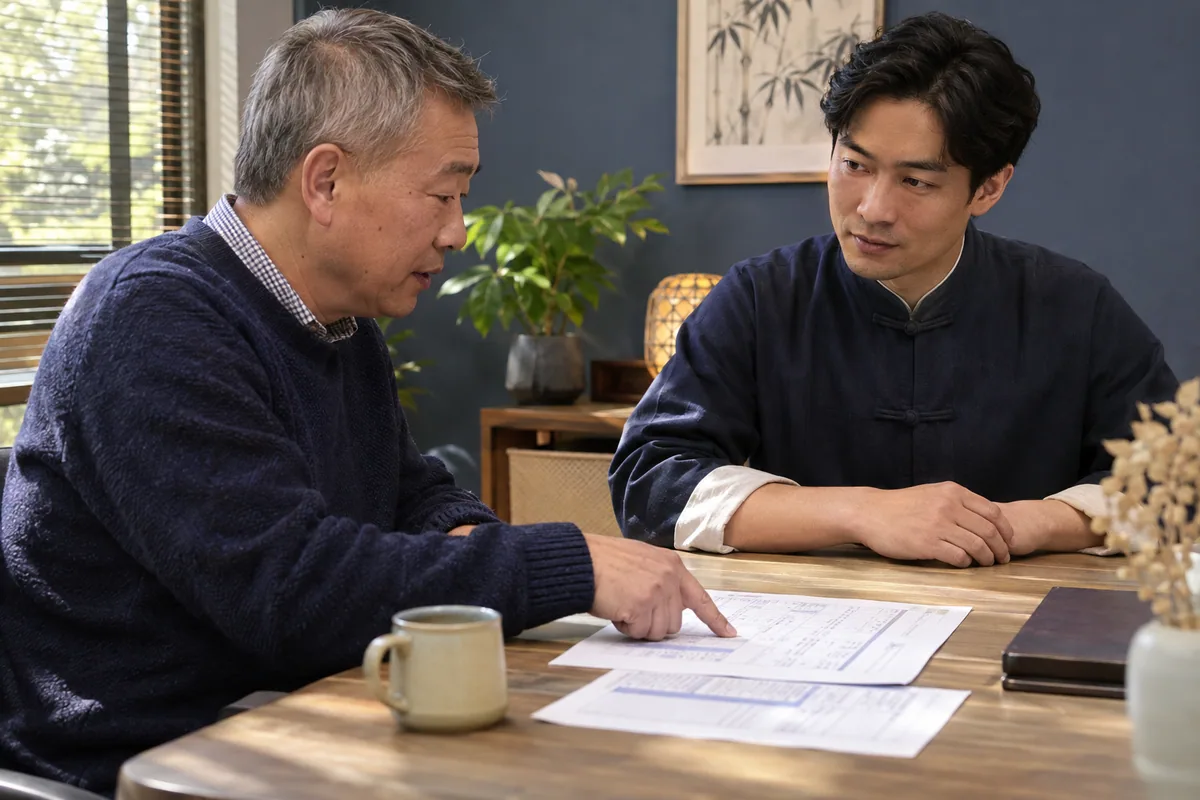
Does Acupuncture Help with Palpitations?
Yes. After cardiac assessment, acupuncture can help ease palpitations and their effect on daily life. A study in functional frequent premature ventricular contractions (PVCs) found improved symptoms and quality of life. Treatment is matched to your cardiac diagnosis.
How are palpitations described and assessed?
Palpitations can feel fast, pounding, fluttering or like a skipped beat. Sleep loss, stimulants, medicines, anemia, thyroid problems and rhythm conditions can contribute. The clinical assessment considers the full pattern and existing findings. NHS palpitations guide
The relevant information is the diagnosis already considered, any ECG or monitor findings, episode pattern, associated symptoms and current treatment.
How does traditional assessment consider an unsettled heartbeat?
Traditional Chinese medicine uses terms such as jingji for an unsettled awareness of the heartbeat. Shen describes mental and emotional settling in this framework. A presentation involving fearfulness or disturbed sleep may lead to a calming aim; accompanying fatigue, a depleted picture or other findings can change the emphasis.
Traditional assessment considers reduced Qi–Blood support, phlegm-fire or stasis patterns and connects supporting, nourishing, calming or regulating aims with the individual presentation. Traditional palpitations teaching (Chinese)
How do Qi/Blood, Phlegm-Fire and stasis explanations differ?
The traditional teaching source distinguishes several patterns:
- Qi deficiency: easy startling, light sleep, breathlessness and fatigue; the aim is support and calming the Shen.
- Blood deficiency: dizziness and fatigue with reduced nourishment; care emphasizes nourishment.
- Reduced Yin nourishment: dryness, night heat and restless sleep add a moistening and settling focus.
Phlegm-Fire palpitations bring together irritability, chest fullness, sticky phlegm and dry stools, with an aim of clearing Fire and transforming Phlegm. The stasis pattern considers longstanding symptoms and impaired Qi/Blood movement, combining a movement-related aim with support.
Why Shenmen or Neiguan may enter the discussion
The wrist point Shenmen has a traditional calming-Shen rationale. Neiguan is described in relation to calming the Heart and easing chest-related discomfort within the traditional system. Shenmen and Neiguan professional references are in Chinese.
The wrist point Shenmen and an ear point with the same name are different locations. The practitioner selects local points, distant points or both according to assessment, experience, preferences, health, comfort and response.
How Effective Is Acupuncture for Palpitations?
In a 64-person trial of functional frequent premature ventricular contractions, four weeks of acupuncture produced better 24-hour PVC counts, symptom and quality-of-life outcomes than sham. Practical treatment goals concern more manageable palpitations and daily activity.
Keep the medical plan and the supportive goal connected
Acupuncture is coordinated with existing cardiac care. Describe triggers, monitoring and medication changes at follow-up to help review symptoms and everyday activity.
Is Acupuncture Backed by Science?
Yes. The trial studied 64 people with functional frequent premature ventricular contractions, assessing four weeks of care with 24-hour monitoring, symptoms and quality of life. Wrist-ankle acupuncture produced better outcomes than sham at the same locations. Study or professional source
What You Should Know Before Booking an Acupuncture Treatment
Your first visit covers:
- Your symptoms, diagnosis, medicines and activity goals.
- How acupuncture fits the care you already receive.
- The treatment plan and a comfortable position.
Bring relevant reports and a medicine list.
Choosing a method you can comfortably receive
Our main approach is manual acupuncture. We also offer:
- Electroacupuncture: electrical stimulation through needles.
- Ear acupuncture (auricular acupuncture): needles placed in the ear.
The practitioner chooses the approach around your goals, health and comfort.
Ear seeds use adhesive patches to hold small seeds or beads over ear points. Pressing them provides stimulation without needles. Tell the practitioner if the patches or pressure irritate your skin so they can be adjusted.
During the appointment and afterward
The practitioner reviews symptoms, diagnoses, medicines and the activities you most want to improve, then explains point selection, positioning and treatment using sterile single-use needles. Mild aching or heaviness can occur. Report sharp pain, dizziness or significant discomfort immediately so the practitioner can adjust treatment. The UCLH patient guide
Before treatment, report pregnancy, medicines affecting clotting, implanted electronic devices and any previous fainting during procedures. Continue prescribed medicines according to the medical plan. Temporary soreness, small bruises or drowsiness can occur; arrange a ride if drowsy. Seek medical assessment for persistent or significant symptoms.
A first acupuncture or physical therapy visit takes about 75–90 minutes. Allow more time if you combine the services. Your practitioner explains how long the needles stay in place and plans follow-up visits around your goals, progress and comfort.
Share your diagnosis, available monitor results and medicines. Also report implanted devices, past fainting and changes in episodes. Electrical stimulation is considered separately.
Treatment can focus on distress or sleep disruption around already assessed episodes. The clinician managing your heart rhythm sets the monitoring plan for rhythm-related goals.
Which changes need prompt medical care?
Persistent palpitations with chest pain, shortness of breath, feeling faint or fainting require emergency care; in the United States call 911. If such symptoms have stopped, obtain urgent medical advice rather than waiting for the next routine appointment. For an assessed supportive goal, our acupuncture service is an entry point while rhythm care continues.
How Do You Know If Acupuncture Is Working?
Fewer interruptions to rest and activity from assessed palpitations are useful improvements. Reviewing symptom timing, activities and cardiac-monitoring findings helps coordinate care.
Separate episode burden from objective rhythm findings
Review focuses on a lower episode burden and more settled sleep or activity. Where indicated, the medical team continues objective rhythm monitoring to coordinate further care.
How to Get Acupuncture for Palpitations at Wongs Acupuncture
Wongs Acupuncture & Angel Alliance Physical Therapy offers acupuncture in Manhattan, Forest Hills, Great Neck. Contact the office that suits you, describe the main difficulty and any care already in place, and the team can confirm the appropriate service and appointment. If you plan to use insurance, the selected office can check benefits for the requested service.
Final Thoughts About Acupuncture & Palpitations
Acupuncture care for palpitations can be planned around specific symptoms and everyday goals. Contact the most convenient clinic with the diagnosis, current care and the main concern you want to improve so the team can arrange consultation and continuing treatment.
Sources
OUR LOCATIONS
Choose a clinic.
Choose a convenient location to discuss your needs or arrange a visit.